
Warm all year, with one big seasonal switch
Bali lies just eight degrees south of the equator, so it is warm in every month: daytime highs of around 30°C on the coast, and a sea that stays at roughly 27°C to 29°C all year. What changes is the rain. Bali has a clear dry season and a clear wet season, and the switch between them shapes everything from your beach days to the crowds and the price of your villa.
The other thing that changes the answer is where you stay. Cool, green Ubud in the hills feels very different from the beach towns of the south, and the surf, the diving and the festivals all run to their own calendars. This guide gives you the short answer first, then the detail month by month and traveller by traveller. For our favourite areas, hotels and holiday ideas, start with our Bali holidays page.
When is the best time to visit Bali?
The best time to visit Bali is during the dry season, from about April to October, when days are sunny, humidity drops and the evenings are pleasant. Within that window, the shoulder months of May, June and September give you the best balance: dry weather, but fewer visitors and better rates than the peak of July and August.
The wet season runs from about November to March, with January and February usually the wettest months. Rain tends to arrive as heavy afternoon or evening downpours rather than all-day grey, and the island is at its most green, but it is hot and humid, and some days are washed out.
Our honest pick: May to June or September, and early October if you are travelling in the South African spring school holidays.
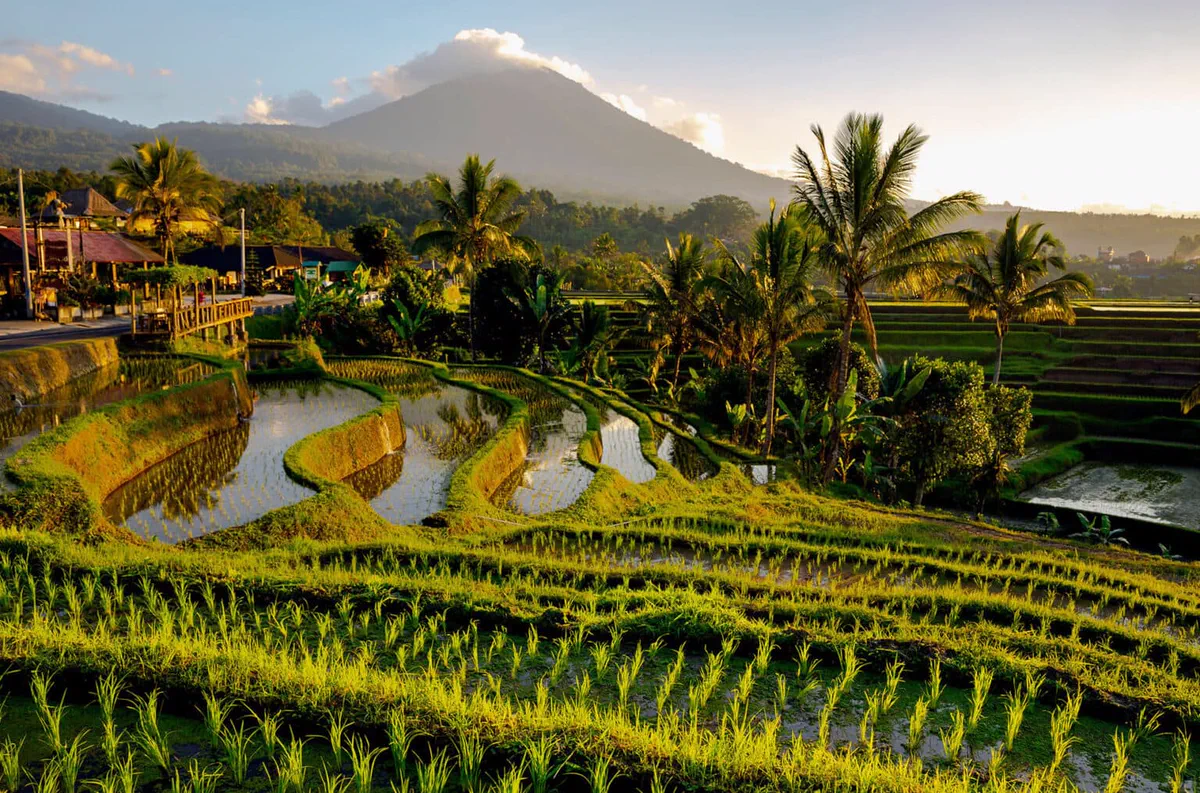
Bali seasons at a glance
- Dry season (about April to October): sunny, less humid and comfortable, with cooler nights, especially in the hills. July and August are the driest months, and also the busiest, with European summer holidays and Australian school holidays bringing crowds.
- Changeover (October and November): the dry season eases into the wet. Showers return during November, but there are still many fine days and the island is quieter.
- Wet season (about November to March): hot and humid, with frequent heavy showers, usually later in the day. January is typically the wettest month. The festive weeks over Christmas and New Year are still very busy despite the rain.
- Changeover (March and April): the rain eases off and the landscape is lush. April is often a lovely, green and increasingly dry month.
Bali weather month by month
A quick reference to match your dates to the island. Coastal highs sit at around 29°C to 31°C all year; Ubud and the hills are a few degrees cooler.
| Month | Weather | Crowds and prices | Best for | Our verdict |
|---|---|---|---|---|
| January | Wettest month; hot, humid, heavy showers | Busy early in the month, then quiet | Lush scenery, east-coast surf | Fair: lush, but expect rain |
| February | Very wet, humid | Quiet | Value, quiet villas | Fair: good value if you don't mind rain |
| March | Rain easing; Nyepi falls in March in most years | Fairly quiet | Value; seeing Nyepi | Good, but check the Nyepi date |
| April | Drier and green, warm | Shoulder; Easter busier | Green rice terraces, touring | Very good |
| May | Dry, sunny, lower humidity | Shoulder | Beach, Ubud and diving | Excellent: our top pick |
| June | Dry, sunny, cooler nights | Shoulder, busier late in the month | Honeymoons, trekking | Excellent |
| July | Driest, sunniest; cool evenings in the hills | Peak; SA winter school holidays | Families, Batur sunrise trek | Very good weather, book early |
| August | Dry and sunny | Peak season | Mola mola and surf | Very good weather, busiest month |
| September | Dry, warm, clear | Shoulder | Honeymoons, diving | Excellent: dry and quieter |
| October | Mostly dry, getting hotter and more humid | Shoulder; SA spring break | Families, diving | Very good |
| November | Showers returning, humid | Quiet | Quiet, green, good value | Good: green, quiet, good value |
| December | Wet, hot, humid | Very busy from about 20 December | Festive breaks | Good: book very early for the festive weeks |
The single most useful thing to know: Bali is warm every month, but the dry season from April to October gives you the most sunshine, and the shoulder months of May, June and September give you that sunshine with fewer crowds.
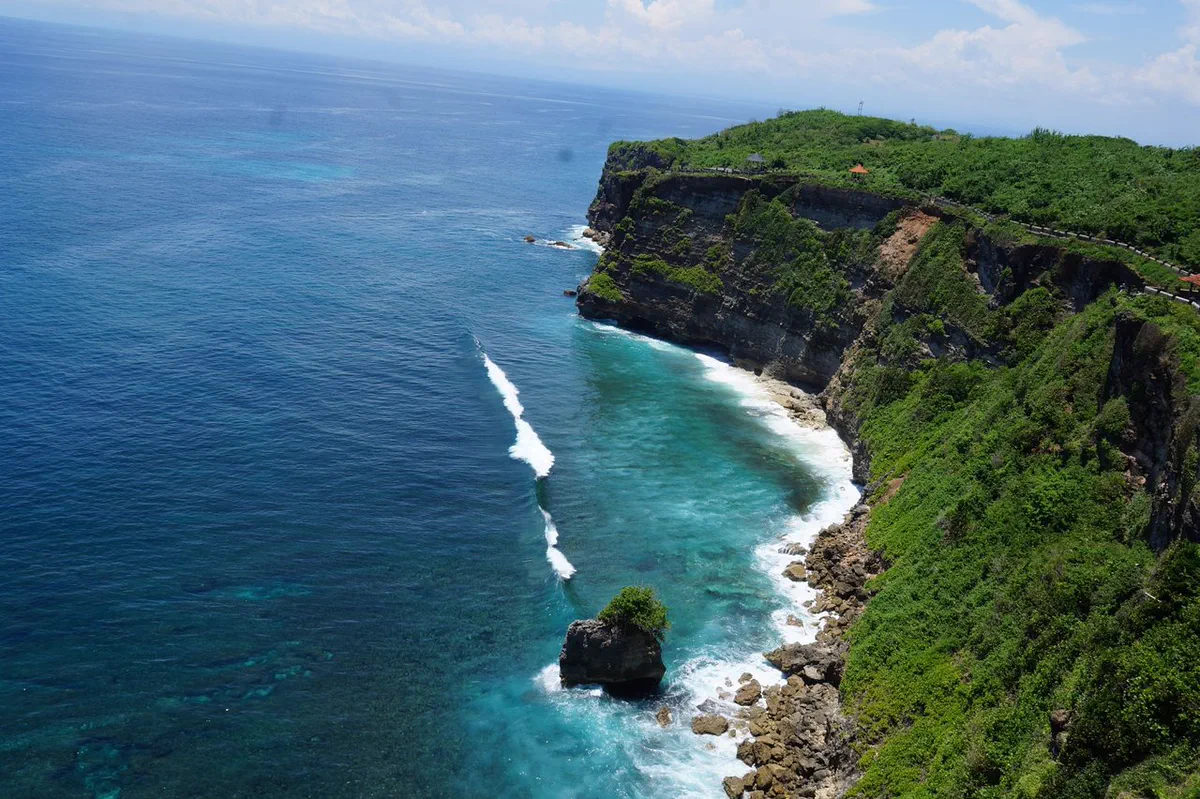
Ubud or the beach? How the season plays out across the island
Bali is small, but it has very different areas, and each one changes with the season. See where each area sits on our map of Bali's regions.
Ubud and the central hills
Ubud sits inland at around 200 metres, surrounded by rice terraces, rivers and jungle. It is a little cooler than the coast, especially at night, and it tends to be cloudier and wetter than the south in the rainy months. In the dry season it is lovely: green terraces, clear mornings and pleasant evenings. In the wet season it is at its most lush, but expect more showers and muddier walking trails.
Higher still, around Lake Bratan and the Mount Batur area, nights can be properly cool in the dry season, so pack a warm layer for a sunrise trek.
The south coast: Seminyak, Canggu, Uluwatu, Nusa Dua and Sanur
The beach towns of the south are where most people spend at least part of their stay. Seminyak and Canggu are lively, with restaurants, beach clubs and surf. Uluwatu has dramatic clifftop views and secluded beaches. Nusa Dua offers calm, family-friendly beaches and larger resorts, and Sanur is relaxed, with a long, gentle beachfront.
In the dry season the whole coast is at its best. In the wet season the south still gets plenty of sunshine between downpours, and it is generally a little drier than Ubud.
Surf: the coast changes with the wind

Bali's surf follows the wind. In the dry season, the south-east trade winds blow offshore on the west coast, so breaks such as Uluwatu, Padang Padang and Canggu are at their best. In the wet season, the winds shift and the east-coast breaks around Sanur and Keramas come into their own. Beginners can learn year-round at the sheltered beach breaks; your surf school will pick the best spot for the day.
The best time to visit Bali for your kind of trip
There is no single best month; there is a best month for you. Here is how we match the calendar to the traveller.
Best overall weather: May to September
These months bring the most sunshine, the lowest humidity and comfortable evenings, with July and August the driest. If you would like the same weather with fewer people, aim for May, June or September.
Best for honeymooners: May, June and September
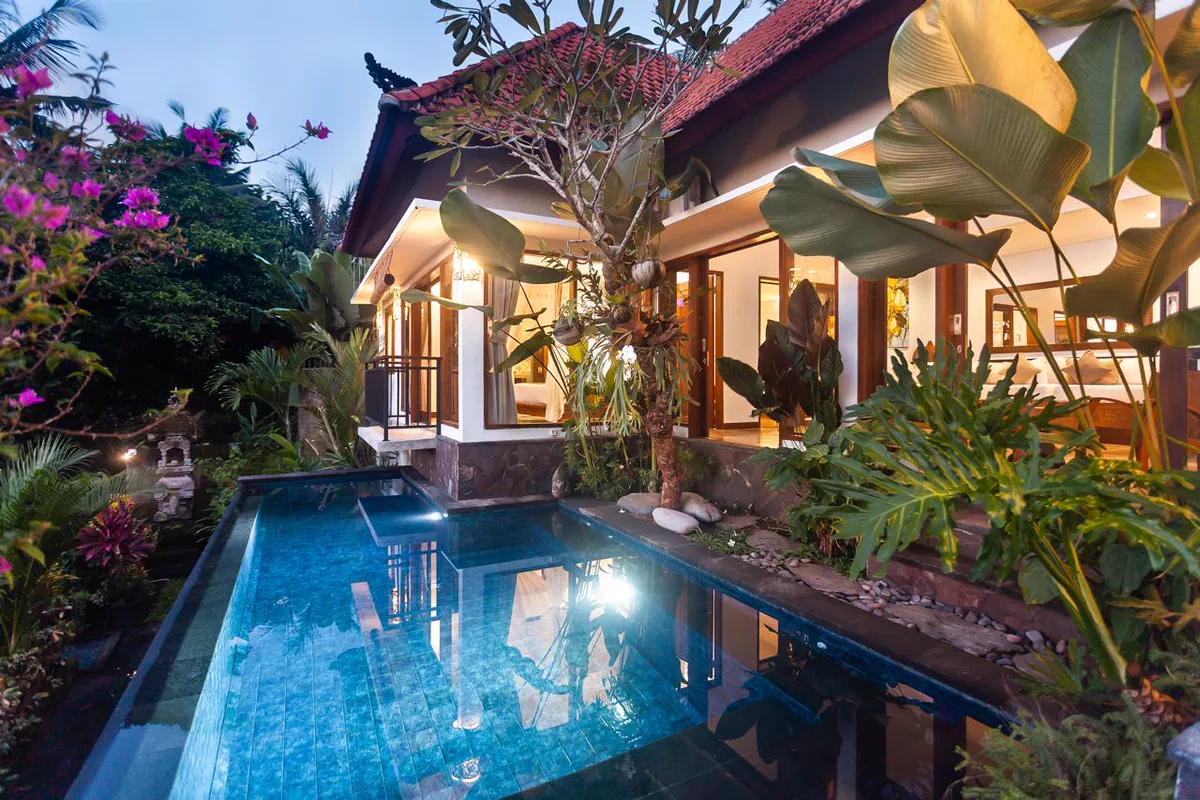
For couples, the dry shoulder months are hard to beat: sunny days, clear sunsets for dinners on the cliffs at Uluwatu, and private-pool villas at better rates than in July and August. A popular honeymoon plan is a few nights in a jungle villa in Ubud, then a few nights by the sea in Uluwatu, Seminyak or Nusa Dua. If you are marrying in the South African summer, November is a quieter, greener alternative, as long as you are happy with some showers.

Best for culture and temples: any time, but plan around Nyepi
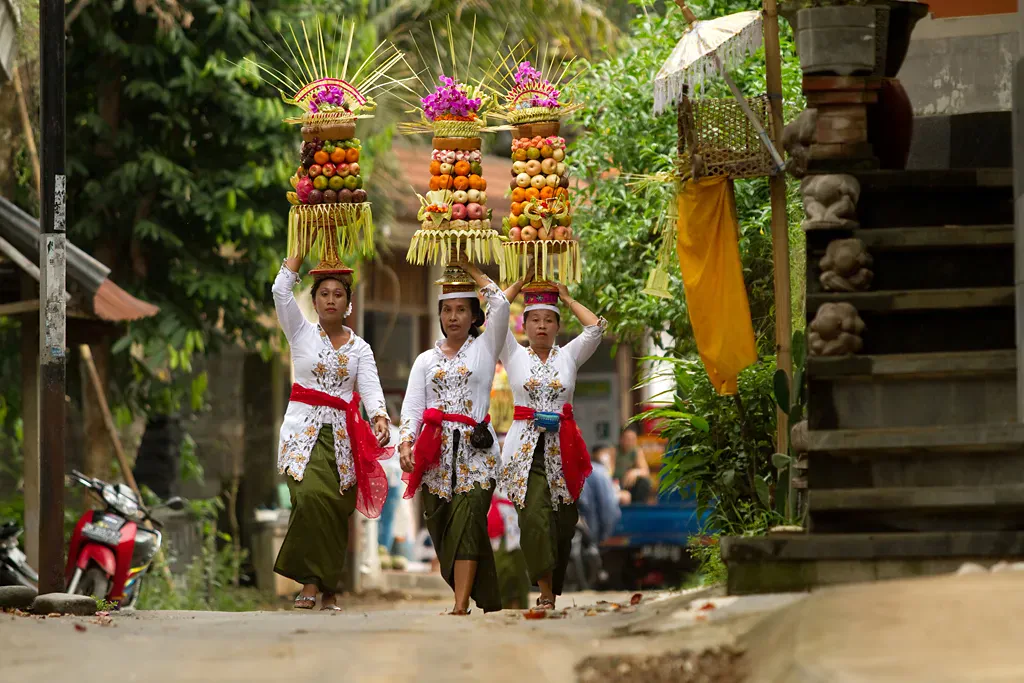
Bali's Hindu culture is part of daily life, with offerings on every doorstep and colourful temple ceremonies throughout the year. Galungan and Kuningan, among the most important festivals, are held every 210 days on the Balinese calendar, when villages are decorated with tall bamboo poles called penjor.
Nyepi, the Balinese Day of Silence and New Year, usually falls in March, on a date that changes every year. For 24 hours the whole island stops: no one may leave their hotel, lights are kept low, and the airport closes. The night before brings the spectacular ogoh-ogoh parades of giant effigies. It is a unique experience if you are already there, but check the date before you book flights, because you cannot arrive or leave that day.
Best for diving and snorkelling: April to November

The dry season brings the calmest seas and best visibility on the most popular sites. Off Nusa Penida, divers can see manta rays for most of the year, and the extraordinary mola mola (ocean sunfish) is usually seen from about July to October, when cooler water rises up from the deep. On the east coast, the USAT Liberty wreck at Tulamben and the reefs at Amed are excellent for divers and snorkellers alike. Wildlife is never guaranteed, so treat a mola mola as a bonus rather than the reason for your dates.
Best for adventure: April to October
Dry weather makes the sunrise trek up Mount Batur, cycling through the rice fields, white-water rafting near Ubud and day trips to the Nusa islands far more enjoyable. Boat crossings to Nusa Penida and the Gili Islands are also smoother in the calmer months.
Best for families: the South African school holidays, with the right base
The calendar works well for South African families. The winter school holidays (in 2027, from 26 June to 19 July) fall in the heart of the dry season, with sunny days and cool evenings, though Bali is busy then, so book early. The spring break (2 to 10 October 2027) is a very good window, still mostly dry and a little quieter.
The autumn school holidays (20 March to 5 April 2027) fall at the end of the wet season, when the rain is easing; check the Nyepi date if your trip falls in March. The December holidays (from 12 December 2026) bring the wet season and the highest prices of the year. Wherever you go, Nusa Dua and Sanur have the calmest family beaches, and a villa with a pool gives children a cool base in the afternoon heat.

Best for quieter travel and value: April to June, September and October, and November
The shoulder months give you good weather at better rates than July, August and the festive season. If you do not mind some rain, February and November are the quietest and often the best value, with the island at its greenest.
Many Bali hotels and villas price in US dollars, so for South Africans the rand matters as much as the season. Booking early protects you against the rand weakening before you travel. We keep an eye on current Bali holiday offers, and you can price a package yourself with our instant online Bali holiday quotes.
When to avoid, and why it still might be fine
January and February are the wettest months, with high humidity and heavy downpours. The rain usually comes in bursts rather than all day, the island is beautifully green and rates are lower, but if guaranteed sunshine is the priority, the dry season is the safer choice. Some boat trips and dives may be cancelled in rough weather.
July and August have the best weather but the biggest crowds. Popular spots such as Tanah Lot, the Tegallalang rice terraces and Uluwatu temple at sunset are very busy, roads in the south are congested, and villa prices rise. Book early, start your sightseeing at sunrise, and it is still a wonderful time to go.
The other period to plan carefully is the festive season. From around 20 December to early January, prices are at their highest, many hotels insist on minimum stays, and the best villas sell out months ahead. Whenever you go, make sure your travel insurance is in place.
Combining Bali with other trips

Bali combines easily with its neighbours. A few nights on the Nusa islands (Lembongan or Penida) or the Gili Islands off Lombok adds quieter beaches and excellent snorkelling. Many South Africans also add a Singapore stopover, which suits the flight route. If you are still deciding between destinations, our guides to the best time to visit Sri Lanka and the best time to visit the Maldives help you compare. Weighing up Southeast Asia? See the best time to visit Thailand and our Thailand holidays page.
Planning your Bali holiday from South Africa
A few practical notes so nothing catches you out:
- Visa. South African passport holders can get a visa on arrival, or apply in advance for an electronic visa on arrival (e-VOA), which lets you skip the queue. It costs IDR 500,000 (plus a small card fee online) and gives you 30 days, which can be extended once for another 30 days. Your passport must be valid for at least six months from your arrival date, and you will need a return or onward ticket. Rules can change, so check before you travel: our visa and entry information page points you to the official sources.
- Arrival card and tourist levy. All visitors must complete the free All Indonesia digital arrival card online in the days before arrival. Bali also charges a tourist levy of IDR 150,000 per person (children included), paid online through the official Love Bali site or app before you fly or on arrival.
- Getting there. There are no direct flights from South Africa to Bali. The usual routings connect via Dubai (Emirates), Doha (Qatar Airways) or Singapore (Singapore Airlines), with a total journey of roughly 20 to 24 hours from Johannesburg. From Cape Town, you connect via Johannesburg or one of these hubs. Bali is six hours ahead of South Africa.
- Health. A yellow fever certificate is not needed when you travel from South Africa via the Gulf or Singapore. There is no malaria risk in Bali's main tourist areas, but dengue fever is present, so use repellent during the day and at dusk. Rabies is present too: do not touch stray dogs or feed the monkeys. Drink bottled or filtered water, and speak to a travel clinic about vaccinations before you go.
- Temple etiquette. Cover your shoulders and knees at temples; a sarong and sash are required, and most temples lend or rent them at the entrance. Never step on the small offerings you will see on pavements and doorsteps.
- Travel insurance. Comprehensive cover, including medical treatment and evacuation, is essential, especially if you plan to scuba dive, surf or ride a scooter. Arrange travel insurance before you go.
- Money. The local currency is the Indonesian rupiah. Cards are widely accepted in hotels, restaurants and larger shops; carry cash for small warungs, markets, temple entry and tips, and use ATMs inside banks or shopping centres.
- Everything else. Our travel checklist for South Africans covers the rest, from the SARS traveller declaration to eSIMs. If Bali is one stop on a longer trip that needs other visas, our visa assistance services can introduce you to a trusted visa partner.
For the most current official information, the Indonesian immigration e-visa portal and the official Love Bali levy site are the sources we point travellers to.
Frequently asked questions
What is the best month to visit Bali?
May is our favourite all-rounder: dry, sunny and less humid, with fewer visitors and better rates than July and August. June and September are just as good.
What is the rainy season in Bali?
The wet season runs from about November to March, with January and February usually the wettest months. Rain tends to fall in heavy afternoon or evening showers rather than all day, and it stays hot and humid.
Is Ubud or the beach better in the rainy season?
The south coast, around Seminyak, Nusa Dua and Sanur, is usually a little drier and sunnier than Ubud in the wet season. Ubud is cooler but cloudier and wetter, though it is at its most green.
What is Nyepi, and does it affect my trip?
Nyepi is the Balinese Day of Silence, which usually falls in March. For 24 hours the whole island shuts down, guests must stay in their hotels and the airport closes, so check the date before you book flights.
Do South Africans need a visa for Bali?
Yes, but it is easy to get. South Africans can get a visa on arrival or apply online for an e-VOA in advance. It costs IDR 500,000 and allows a 30-day stay, which can be extended once.
How many nights do you need in Bali?
Ten to fourteen nights is ideal from South Africa, given the long journey. That gives you time for Ubud and a beach area, and perhaps a few nights on the Nusa or Gili Islands.
How long is the flight from South Africa to Bali?
There are no direct flights. Connecting via Dubai, Doha or Singapore, the total journey from Johannesburg usually takes around 20 to 24 hours.
Final recommendations
If you want the simplest answer: go in May, June or September for dry, sunny weather without the peak crowds, early October if you are travelling in the South African spring school holidays, and July and August for the very best weather, as long as you book early and do not mind company. In the wet season, choose the south coast over Ubud for more sunshine, and check the Nyepi date if your trip falls in March.


Bali rewards a trip that is carefully put together: the right areas for the month, a good split between the hills and the sea, smooth connections over the long journey, and an honest price with every levy included. That is the kind of planning we enjoy. Tell us your dates and what you have in mind, and we will shape a tailor-made Bali holiday around them. No obligation, and a personal reply from our team. If you'd like to see what's on offer first, browse current Bali deals in our Deal Seeker.
Planning a Bali trip?
Traville Travel arranges Bali holidays personally, from flights to the finer details. Tell us what you have in mind and we will build a tailor-made quote, no obligation.


