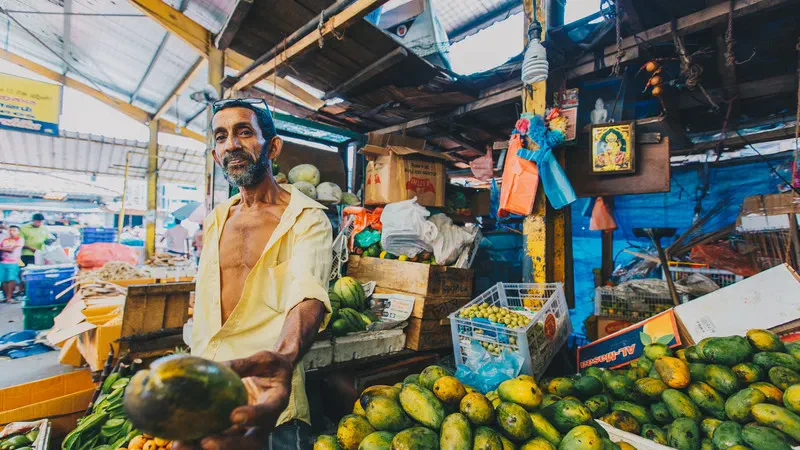
The island that is always in season, somewhere
Sri Lanka packs an astonishing amount into an island smaller than the Eastern Cape: golden beaches on three coasts, ancient rock fortresses and cave temples, misty tea country at 2,000 metres, leopards and wild elephants, and whales offshore. For South Africans it has a particular appeal: a genuinely exotic, culture-rich holiday that still feels relaxed, warm and easy to travel.
It also has one quirk that every traveller needs to understand before choosing dates: two monsoons that arrive at different times on opposite sides of the island. When the south-west coast is wet, the east is dry, and the other way round. That makes the question "when is the best time to visit Sri Lanka?" less about if and more about where. This guide untangles it, region by region and traveller by traveller.
When is the best time to visit Sri Lanka?
For most travellers, the best time to visit Sri Lanka is December to March, when the popular west and south coasts (Colombo, Bentota, Galle, Mirissa) and the hill country are at their driest and sunniest, and the south-coast whale season is in full swing. This is the classic, most reliable window, and the busiest.
But Sri Lanka is a year-round destination. From May to September, when the south-west monsoon brings rain to the west and south, the east coast, Trincomalee, Pasikudah and Arugam Bay, enjoys its dry, sunny season, and the ancient cities of the Cultural Triangle stay largely dry too.
The trickiest months are October and November, the inter-monsoon period, when heavy afternoon thunderstorms can affect much of the island. If you want our honest pick: February for a classic south-coast and hill-country trip, and July for an east-coast and Cultural Triangle holiday that lines up with South African school holidays.
How Sri Lanka's two monsoons work
Sri Lanka sits just north of the equator, so it is warm all year on the coast (typically 27–31°C) with the sea around 27–29°C. What changes is rain, and the rain follows two monsoon winds:
- The south-west monsoon (Yala), roughly May to September: brings rain to the west and south coasts and the western slopes of the hill country. The east coast and the northern dry zone stay mostly dry.
- The north-east monsoon (Maha), roughly November to February: brings rain to the east and north (Trincomalee, Arugam Bay, Jaffna), heaviest around December. The west and south coasts are then at their best.
- The inter-monsoon periods, around April and especially October to November: unsettled, with heavy afternoon and evening thunderstorms that can affect most of the island. October is often the wettest month in many areas.
(Don't confuse the Yala monsoon with Yala National Park, same name, different thing entirely.)
Monsoon rain in Sri Lanka rarely means all-day grey skies. More often it is a heavy downpour for an hour or two, then sunshine. The real impact is on the sea: the monsoon-facing coast gets rough water, strong currents and red-flag swimming days, which is why matching your beach to the season matters so much.
Sri Lanka weather month by month
Here's how the year plays out across the island's main regions. "Hill country" means Kandy, Nuwara Eliya and Ella; the "Cultural Triangle" is Sigiriya, Dambulla, Polonnaruwa and Anuradhapura.
| Month | West and south coast | East coast | Hill country and Cultural Triangle | Our verdict |
|---|---|---|---|---|
| January | Dry, sunny, calm seas | Wet, tailing off | Dry and clear; cool nights in the hills | Excellent: classic west/south trip |
| February | Driest and sunniest | Drying out | Dry, clear, ideal touring | Our top pick for a first visit |
| March | Hot and dry | Improving | Dry and warm | Excellent: beaches and whales |
| April | Hot; afternoon storms begin | Good, warming up | Afternoon showers; New Year festivities | Good: shoulder value |
| May | South-west monsoon arrives | Dry, sunny season begins | Showers in the hills; triangle mostly dry | East coast time |
| June | Wet, rough seas | Dry, sunny, calm | Western hills wet; triangle dry | East coast and triangle |
| July | Wet, rough seas | Dry, sunny, calm | Triangle dry; Ella side drier | Our pick for SA school holidays |
| August | Wet, easing late | Dry, sunny, calm | Triangle dry; elephant gathering | East coast, safaris, culture |
| September | Showers, easing | Dry, warm | Mostly dry | Good: quieter, good value |
| October | Heavy inter-monsoon storms | Storms, rain building | Wet across much of the island | The trickiest month |
| November | Storms easing late | Wet north-east monsoon | Wet, clearing late | Low season; flexible travellers only |
| December | Drying out, lovely late | Wet, heaviest rains | Clearing and cool; pilgrimage season opens | Great late in the month: peak festive |
The single most useful thing to know: there is almost always a dry, sunny coast in Sri Lanka; the skill is choosing the right one for your dates.
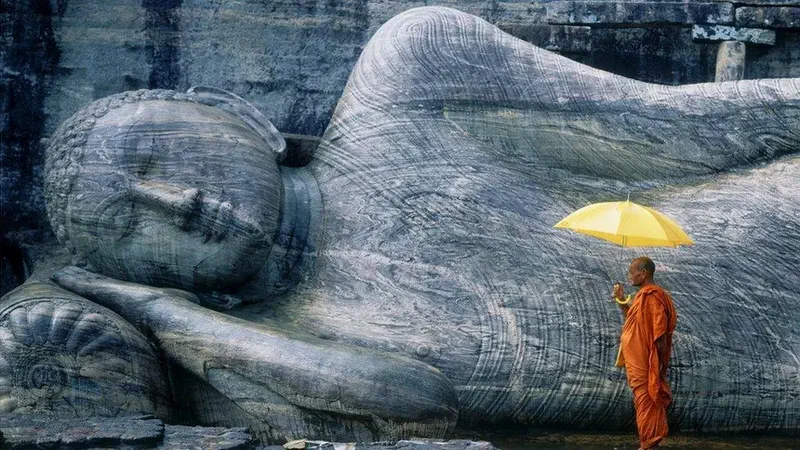
West and south coast or east coast? Choosing your beach by season
The west and south coast: best December to April
This is Sri Lanka's classic beach strip, running from Negombo near the airport down through Bentota and Beruwala (river estuaries and big resorts), past the Dutch colonial fort town of Galle, to the laid-back surf-and-palm bays of Unawatuna, Mirissa, Weligama and Tangalle. From December to April the sea is calm, the skies are clear and the whole coast comes alive.
It's the natural fit for the December and Easter holidays, honeymooners who want a boutique villa near Galle, and anyone who wants to combine the beach with the hill country, which is also at its driest in the same months.
The east coast: best May to September
While the south-west monsoon hits the other side of the island, the east coast has its time in the sun. Trincomalee and neighbouring Nilaveli and Uppuveli have long, calm bays and a natural harbour, with snorkelling off Pigeon Island. Pasikudah has one of the gentlest, shallowest lagoons in Asia: superb for young children. Further south, Arugam Bay is Sri Lanka's surf capital, at its best from around May to September.
The east is also less developed and noticeably quieter than the south, which is exactly its appeal. From November to February, when the north-east monsoon arrives, many east-coast hotels close or scale down.
The best time to visit Sri Lanka for your kind of trip
Best overall weather: January to March
For the most reliable weather across the greatest part of the island (west and south coasts, hill country and Cultural Triangle), January to March is hard to beat. February is the sweet spot: dry, sunny, calm seas and clear views from the tea estates.
Best for a beach holiday: December to April (south and west), May to September (east)
Beach holidays work in almost every month; you simply swap coasts. Go south or west from December to April, and east from May to September. In the inter-monsoon months of October and November, keep beach time flexible.
Best for wildlife and safaris: February to July, and August for elephants
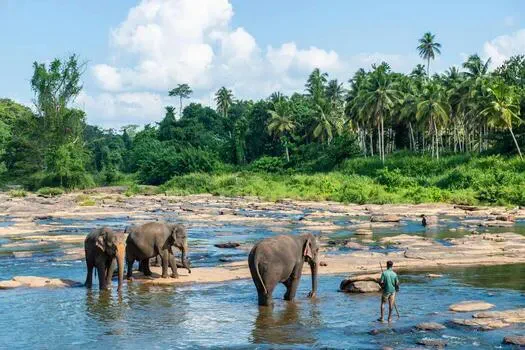
Sri Lanka is one of the best places in Asia to see leopards, and Yala National Park in the south-east is the headline, with the best sightings in the drier months from around February to July. Note that Yala's main blocks can close for part of the late dry season: in 2026, Blocks 1 and 2 were closed from 14 September to 15 October to protect wildlife during drought, so check before you plan your dates around it.
From roughly July to October, hundreds of wild elephants gather on the shrinking lake beds of Minneriya and Kaudulla in the Cultural Triangle, known simply as "The Gathering", and one of Asia's great wildlife spectacles. Udawalawe offers superb elephant viewing year-round.
Best for whale watching: December to April (south), May to August (east)
Sri Lanka is one of the few places in the world where blue whales are seen regularly. Off Mirissa on the south coast, the season runs from about November to April, peaking from December to March when the seas are calmest. On the east coast, Trincomalee takes over from roughly May to August. Choose an operator that follows responsible-viewing guidelines: it matters to the whales and to the quality of your encounter.
Best for families: December holidays in the south, June–July in the east
Sri Lanka's calendar lines up well with South African school holidays. You just have to pick the right side of the island:
- December school holidays (schools close on 11 December 2026, and on 10 December 2027): the west and south coasts are coming into their dry season, and the hill country is clearing. Book early; the last two weeks of December are peak.
- Winter school holidays (in 2027, 26 June to 19 July): base the beach part of your trip on the east coast, where Pasikudah's shallow, calm lagoon is ideal for children, and combine it with the Cultural Triangle and an elephant safari. The west and south are in monsoon at this time.
- Autumn holidays (in 2027, 20 March to 5 April): excellent for the west and south coasts before the April showers.
Best for honeymooners: January to March, or a Sri Lanka and Maldives combination
For couples, January to March delivers the classic combination: a few nights in a boutique hotel in the hill country or Galle Fort, then a secluded villa on the south coast. Sri Lanka also pairs beautifully with the Maldives, just over an hour's flight from Colombo: culture and adventure first, then pure overwater relaxation. See our Maldives destination guide for the island side of the story.
Best for the hill country and tea estates: January to April
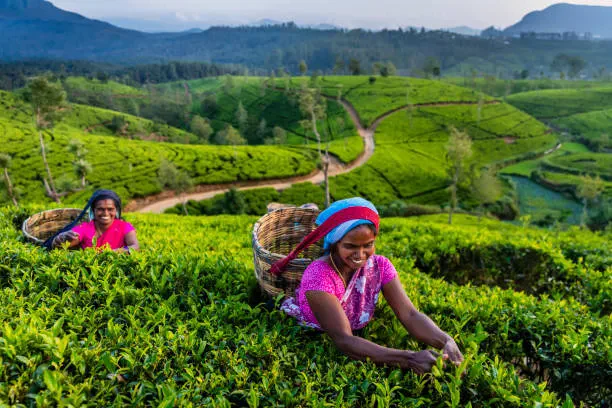
The hill country (Kandy, the tea estates around Nuwara Eliya and the green valleys of Ella) is cooler (Nuwara Eliya can drop into single digits at night) and at its clearest from January to April. The famous scenic train through the tea country is best enjoyed in this window too.
This is also the season for the pre-dawn pilgrimage climb up Adam's Peak (Sri Pada), which runs from around the December full moon to the May full moon. Outside that season the climb is possible, but views are often lost in cloud.
Best for culture and festivals: July to August, and April
The Cultural Triangle is in its dry season for much of the year, but July and August bring the spectacular Esala Perahera in Kandy: a ten-night procession of drummers, dancers and caparisoned elephants, held around the Esala full moon. Accommodation in Kandy sells out months ahead. In mid-April, the Sinhala and Tamil New Year is a joyful family festival, although some local businesses close and domestic travel is busy.
Best for quieter travel and value: April, May and September
The shoulder months of April, early May and September offer fewer crowds and softer rates, with a good chance of fine weather on the right coast. Hotels in Sri Lanka are usually priced in US dollars, so for South Africans the rand exchange rate matters as much as the season: booking early locks in today's rate. Our Deal Seeker gathers every current deal and online quote tool in one place.
When to avoid, and why it still might be fine
October and November are the least predictable months, with inter-monsoon storms across much of the island and the north-east monsoon arriving on the east coast. For a first visit or a honeymoon, we'd usually steer you elsewhere in the calendar.
That said, the storms tend to arrive in the afternoon and evening, the island is lush and green, and prices are at their lowest. For experienced, flexible travellers focused on culture rather than the beach, it can still work, especially later in November, as the west and south begin to clear.
Weather in the region is also becoming less predictable. In late November 2025, Cyclone Ditwah caused severe flooding and landslides across Sri Lanka, particularly in the hill country, and the full hill-country railway only resumed in June 2026 after major repairs. Tourism has recovered well, but it's a good reminder to hold comprehensive travel insurance and to travel with a partner who can adapt your plans on the ground.
Planning your Sri Lanka holiday from South Africa
A few practical notes so nothing catches you out:
- Visa (ETA). South African passport holders need an Electronic Travel Authorisation (ETA) before arrival, applied for online through the official Sri Lankan government ETA portal. The tourist ETA currently costs US$50 and covers a 30-day, double-entry stay. (In May 2026 Sri Lanka made the ETA free for 40 nationalities, but South Africa is not currently among them.) Check our visa and entry information page for the official sources before you travel.
- Getting there. There are no direct flights from South Africa. The usual route is one stop via the Gulf (Doha, Dubai or Abu Dhabi), typically 13 to 17 hours in total from Johannesburg or Cape Town.
- Yellow fever. Sri Lanka requires a yellow fever certificate from travellers arriving from yellow-fever risk countries, including anyone who has spent more than 12 hours in transit at an airport in one. South Africa is not a risk country, but Ethiopia and Kenya are, so if you route through Addis Ababa or Nairobi with a long layover, you may need one. Most Gulf routings avoid this entirely.
- Health. Sri Lanka was certified malaria-free by the World Health Organization in 2016. Dengue fever does occur, especially around the monsoons, so use insect repellent and cover up at dawn and dusk. Speak to a travel clinic about routine vaccinations.
- Insurance. Comprehensive travel insurance with medical cover is essential, particularly for safaris, hikes and a busy touring itinerary.
- Getting around. Most of our travellers use a private driver-guide: the most comfortable, flexible and safe way to travel between regions, and surprisingly good value.
- Money and culture. The Sri Lankan rupee is the local currency; US dollars are widely accepted by hotels. At temples, cover shoulders and knees, remove shoes and hats, and never pose with your back to a Buddha statue.
For the most current official information, the Sri Lanka Tourism Promotion Bureau and the official Sri Lanka ETA portal are the sources we point travellers to.
Frequently asked questions
What is the best month to visit Sri Lanka?
February is our favourite for a first visit: it's dry and sunny on the west and south coasts, clear in the hill country and Cultural Triangle, and in the heart of the south-coast whale season. If you're travelling mid-year, July is excellent for the east coast and the ancient cities.
When is the monsoon season in Sri Lanka?
Sri Lanka has two monsoons. The south-west monsoon brings rain to the west and south coasts from roughly May to September, and the north-east monsoon brings rain to the east and north from roughly November to February. October and November are the unsettled inter-monsoon months, when storms can affect much of the island.
Is Sri Lanka good to visit in June and July?
Yes, if you choose the right side of the island. The east coast (Trincomalee, Pasikudah, Arugam Bay) and the Cultural Triangle are dry and sunny, while the west and south coasts are in monsoon. It's a great fit for South African winter school holidays.
Do South Africans need a visa for Sri Lanka?
Yes. South African passport holders need an Electronic Travel Authorisation (ETA), applied for online before travel. It currently costs US$50 for a 30-day tourist stay. South Africa is not one of the 40 countries whose ETA became free in May 2026.
Can you combine Sri Lanka with the Maldives?
Absolutely, and it's one of our favourite pairings. Flights from Colombo to Malé take just over an hour. Spend a week touring Sri Lanka's culture, wildlife and hill country, then finish with a few nights of pure relaxation in the Maldives.
How many days do you need in Sri Lanka?
Ten to fourteen nights is ideal for a first visit: a few days in the Cultural Triangle, two or three in the hill country, a safari, and four or five on the beach. With a week, focus on two regions rather than trying to see everything.
When is the best time to see blue whales in Sri Lanka?
Off Mirissa on the south coast, from about November to April, with the calmest seas and best sightings from December to March. On the east coast, Trincomalee's season runs from roughly May to August.
Final recommendations
If you want the simplest answer: go in February for the classic west-coast, south-coast and hill-country trip, July for the east coast and the Cultural Triangle in the South African school holidays, and avoid October unless you're flexible. And whenever you go, choose the coast to match the monsoon: there is almost always a sunny beach somewhere on the island.
Sri Lanka rewards a trip that's carefully put together: the right coast for the month, a driver-guide who knows the roads, a safari timed to the park calendar and enough slow days to take it all in. That's the kind of planning we love. Tell us your dates and what you have in mind, and we'll shape a tailor-made Sri Lanka holiday around them. No obligation, and a personal reply from our team. If you're weighing up other Indian Ocean options, our guides to the best time to visit Zanzibar and the best time to visit Mauritius, and our wider destinations, are a good next read.
Planning a Sri Lanka trip?
Traville Travel arranges Sri Lanka holidays personally, from flights to the finer details. Tell us what you have in mind and we will build a tailor-made quote, no obligation.


