
Three seasons, two coasts, one important twist
Thailand is warm all year, but it is not the same everywhere at the same time. Most of the country follows three seasons: a cool, dry season, a hot season and a rainy season. The twist is on the coast. Thailand's two island coastlines sit on opposite sides of the peninsula, and their rainy seasons fall at different times of year.
That one fact matters more than anything else when you choose your dates. Get it right and you can find sunshine somewhere in Thailand in almost every month. This guide gives you the short answer first, then the detail month by month, region by region and traveller by traveller. For our favourite areas, hotels and holiday ideas, start with our Thailand holidays page.
When is the best time to visit Thailand?
The best time to visit Thailand is the cool, dry season from November to February, when Bangkok, the north and the Andaman coast (Phuket, Krabi and Khao Lak) all enjoy sunny days, lower humidity and calm seas. December to February is the sweet spot, and also the busiest and most expensive time of year.
The Gulf of Thailand islands (Koh Samui, Koh Phangan and Koh Tao) are the exception. Their heaviest rain falls from about October to December, so they are at their best from January to August. That makes the Gulf the place to go in the South African winter, when the Andaman coast is wet.
Our honest pick: January and February for the whole country at its best, late November for good weather before the festive peak, and Koh Samui in June to August for a winter-holiday beach break.
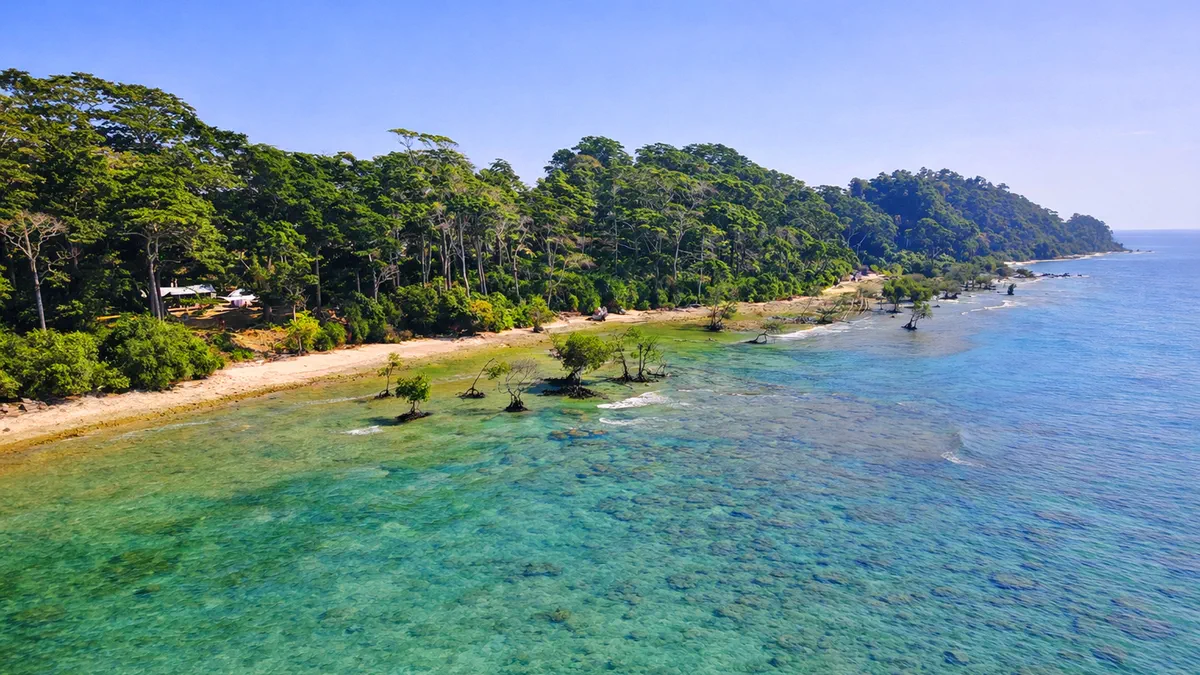
Thailand seasons at a glance
- Cool, dry season (about November to February): the most comfortable time of year. Days are sunny and warm, around 30°C to 32°C in Bangkok, and nights in the northern hills can drop below 15°C. The Andaman sea is calm and clear.
- Hot season (about March to May): temperatures climb, and April is usually the hottest month, often 35°C or more in Bangkok. The islands are still mostly dry, and the Gulf islands are lovely. In the north, this is also the smoky season (see below).
- Rainy season (about June to October): the south-west monsoon brings rain to most of the country, with September usually the wettest month in Bangkok and on the Andaman coast. Showers are often short and heavy, the countryside turns green, and prices drop. The Gulf islands stay comparatively dry for much of this time.
- Gulf monsoon (about October to December): the rains move to the Gulf coast, with November usually the wettest month on Koh Samui, just as the rest of the country dries out.
Thailand weather month by month
A quick reference to match your dates to the right part of Thailand. The sea is warm all year, at around 27°C to 30°C.
| Month | Andaman coast (Phuket, Krabi) | Gulf islands (Koh Samui) | Bangkok and the north | Our verdict |
|---|---|---|---|---|
| January | Dry, sunny, calm | Rain easing, mostly fine | Cool and dry | Excellent |
| February | Dry, sunny, calm | Dry and sunny | Dry; haze builds in the north | Excellent |
| March | Dry and hot | Dry and sunny | Hot; smoky in the north | Very good on the islands |
| April | Hot, mostly dry | Hot and dry | Hottest; Songkran | Good: islands and Songkran |
| May | First rains | Dry and hot | Hot; first rains | Good on the Gulf |
| June | Wet; rougher seas | Mostly dry | Rainy season | Good on the Gulf |
| July | Wet; rougher seas | Mostly dry | Rainy season | Good on the Gulf |
| August | Wet; rougher seas | Mostly dry | Rainy season | Good on the Gulf |
| September | Wettest month | Showers increasing | Wettest month | Fair: quiet, lower prices |
| October | Rain easing | Rains begin | Rains easing | Fair to good |
| November | Dry season begins | Wettest month | Cool and dry | Very good, except the Gulf |
| December | Dry, sunny, calm | Wet early, drier later | Cool and dry | Excellent; book early |
The single most useful thing to know: when one coast is wet, the other is usually dry. From about May to October choose the Gulf islands; from about November to April choose the Andaman coast.
Phuket or Koh Samui? How the season plays out across Thailand
Thailand's regions change with the seasons in very different ways. See where each area sits on our map of Thailand's regions.
The Andaman coast: Phuket, Krabi, Khao Lak and Koh Lanta

The west coast is Thailand at its most dramatic: limestone cliffs rising from turquoise water, island hopping to Phi Phi, Phang Nga Bay and Koh Lanta, and the long beaches of Phuket and Khao Lak. From November to April it is at its best, with calm seas, clear water and long sunny days.
From about May to October, the south-west monsoon brings rain and rougher seas. Boat trips can be cancelled, and some beaches have strong currents and red-flag days, so always swim where there are lifeguards. It is still warm, often sunny between showers and much cheaper, which makes it a good time for a resort stay rather than island hopping.
The Gulf islands: Koh Samui, Koh Phangan and Koh Tao

On the east side of the peninsula, the Gulf islands follow a different calendar. They are sheltered from the south-west monsoon, so June to August is usually sunny and dry, just when the Andaman coast is wet. Their own rainy season comes from about October to December, with November the wettest month. January to April is lovely, and February to April brings the calmest seas.
Koh Samui has the widest choice of resorts and villas, Koh Phangan is known for its full-moon parties and quieter northern beaches, and Koh Tao is one of the most popular places in the world to learn to dive.
Bangkok
Bangkok is hot all year. The cool season from November to February is the most comfortable time for temples, markets and river trips. In April the heat is intense, and in the rainy season, especially September, heavy afternoon downpours can flood streets for an hour or two. Two or three nights is enough for most first-time visitors.
Chiang Mai and the north
The north is mountainous, cooler and greener. November to February is the best time to visit: clear, sunny days and cool evenings, ideal for temples, markets, hill-tribe villages and ethical elephant sanctuaries. Pack a warm layer for early mornings in the mountains.
From about February to April, farmers burn fields and forest fires add to the smoke, and the north has some of the worst air quality in Asia, with March usually the worst month. If anyone in your group has asthma or a heart or lung condition, we suggest visiting the north outside these months. From June to October the rains turn the rice fields bright green and the waterfalls are at their best.

The best time to visit Thailand for your kind of trip
There is no single best month; there is a best month for you. Here is how we match the calendar to the traveller.
Best overall weather: November to February
These months bring the best weather to the most places at once: dry, sunny days on the Andaman coast, comfortable heat in Bangkok and cool, clear days in the north. The catch is that everyone else knows it too, so book early, especially for Christmas and New Year.
Best for honeymooners: December to March on the Andaman coast, or Koh Samui from January to August

For couples, the Andaman coast in the dry season is hard to beat: island hopping around Krabi and Phang Nga Bay, sunset dinners above the sea and calm water for kayaking. A popular honeymoon plan is a few nights in Bangkok or Chiang Mai, then a week in Krabi or Phuket. If you are marrying in the South African winter, Koh Samui is the better beach choice, with private-pool villas and sunny days from June to August.
Best for festivals: Songkran in April, and Loy Krathong in November
Songkran, the Thai New Year, is celebrated from 13 to 15 April with the country's famous water fights, especially in Bangkok and Chiang Mai. It is a lot of fun, but transport and hotels are busy, so book early, and keep your phone in a waterproof pouch.
Loy Krathong falls on the full moon of the twelfth Thai lunar month, usually in November, when people float candle-lit offerings on rivers and lakes. In Chiang Mai it coincides with Yi Peng, when thousands of lanterns are released into the night sky. In 2026 the Chiang Mai celebrations are planned for around 24 to 26 November.

Best for diving and snorkelling: November to April on the Andaman coast, and February to September on Koh Tao
The Similan Islands, one of Thailand's best dive areas, are a national park open only from 15 October to 15 May, with daily visitor limits. The dry season also brings the clearest water around Phi Phi and Koh Lanta. On the Gulf side, Koh Tao has good diving for much of the year, with the calmest seas and best visibility usually from about February to May, and the chance of a whale shark on its offshore pinnacles.
Best for families: the December and winter school holidays
The December holidays (from 12 December 2026) are perfect for Phuket and Krabi: dry, sunny and calm, with plenty of family resorts, though this is the most expensive time of year, so book very early. The winter school holidays (in 2027, from 26 June to 19 July) suit Koh Samui, which is usually dry and sunny while the Andaman coast is wet.
The autumn school holidays (20 March to 5 April 2027) are hot but dry on the islands, and a good beach window. The spring break (2 to 10 October 2027) is the trickiest: the Andaman coast is still in its wet season and the Gulf rains are starting, so we usually suggest a resort with a great pool and kids' club, and flexible day plans.

Best for value: May to October on the Andaman coast

The rainy months, often called the green season, bring the lowest prices of the year on Phuket and Krabi, with many resorts offering free nights and upgrades. Thailand is good value at any time for South Africans, because most hotels price in Thai baht rather than US dollars.
We keep an eye on current Thailand holiday offers, and you can price a package yourself with our instant online Thailand holiday quotes.
When to avoid, and why it still might be fine
September and October are the wettest months on the Andaman coast and in Bangkok, and seas can be rough. It is not all-day rain, the prices are low and the country is green, but if a beach holiday is the priority, choose the Gulf islands for the earlier part of the rainy season.
November on Koh Samui and Koh Tao is usually the wettest month in the Gulf. Head to the Andaman coast instead, which is just coming into its best season.
March and April in the north bring smoky skies around Chiang Mai, and April is uncomfortably hot in Bangkok. The islands are still lovely, so make the beach the focus of your trip.
The other period to plan carefully is the festive season. From around 20 December to early January, prices on the Andaman coast are at their highest, many hotels insist on minimum stays and gala dinners, and the best rooms sell out months ahead. Whenever you go, make sure your travel insurance is in place.
Combining Thailand with other trips
Thailand is easy to combine. A classic first trip is Bangkok, the north and a beach, linked by short domestic flights. Thailand also pairs well with Cambodia (Angkor Wat), Vietnam or a Singapore stopover. South Africans usually need a visa for Cambodia and Vietnam, and our visa assistance services can introduce you to a trusted visa partner.
Still deciding between destinations? Our guides to the best time to visit Bali and the best time to visit the Maldives help you compare.
Planning your Thailand holiday from South Africa
A few practical notes so nothing catches you out:
- Visa. South African passport holders can visit Thailand without a visa for up to 30 days. This changed on 15 September 2026; it used to be 60 days. You can apply once at an immigration office inside Thailand for an extension of up to 30 more days. Your passport must be valid for at least six months, and you may be asked for a return or onward ticket and proof of funds. Rules change, so check before you travel: our visa and entry information page points you to the official sources.
- Thailand Digital Arrival Card (TDAC). Every visitor must complete the free TDAC online within 72 hours before arrival. Use only the official site, as copycat sites charge fees. A small tourist entry fee has also been proposed; we will tell you if it applies when you book.
- Getting there. There are no direct flights from South Africa to Thailand. The usual routings connect via Dubai, Doha, Abu Dhabi, Singapore or Addis Ababa, with a total journey of roughly 14 to 20 hours from Johannesburg. From Cape Town, you connect via Johannesburg or one of these hubs. Thailand is five hours ahead of South Africa.
- Health. A yellow fever certificate is not needed when you travel from South Africa via the Gulf or Singapore. Ethiopia is a yellow fever country, so if you connect in Addis Ababa, check the rules before you book. The main tourist areas carry little or no malaria risk, but dengue fever is present, so use repellent during the day and at dusk. Do not touch stray dogs or monkeys, drink bottled or filtered water, and speak to a travel clinic before you go.
- Driving and scooters. You need an International Driving Permit to drive or ride legally, and many insurance policies will not cover a scooter accident without the right licence. Our travel checklist for South Africans explains how to get one through the AA.
- Respect and etiquette. Cover your shoulders and knees at temples and take off your shoes where asked. Thais hold the royal family in very deep respect, and criticising the monarchy is a serious crime, so never make disparaging remarks.
- Travel insurance. Comprehensive cover, including medical treatment and evacuation, is essential, especially for diving, island hopping or riding a scooter. Arrange travel insurance before you go.
- Money. The local currency is the Thai baht. Cards are widely accepted in hotels, restaurants and larger shops; carry cash for markets, street food, taxis and tips. Thai ATMs charge a fixed fee on foreign cards, so withdraw larger amounts less often.
For the most current official information, the Thailand Digital Arrival Card site and the Tourism Authority of Thailand are the sources we point travellers to.
Frequently asked questions
What is the best month to visit Thailand?
January is our favourite all-rounder: dry, sunny and comfortable in Bangkok, the north and on the Andaman coast, with the Gulf islands drying out too. February is just as good, though haze can start building in the north.
When is the rainy season in Thailand?
For most of Thailand, including Bangkok, Chiang Mai, Phuket and Krabi, the rainy season runs from about June to October, with September usually the wettest month. The Gulf islands, including Koh Samui, are different: their heaviest rain falls from about October to December.
Is Phuket or Koh Samui better?
It depends on when you travel. From about November to April, Phuket and the Andaman coast have the better weather. From about May to September, Koh Samui and the Gulf islands are usually drier and calmer.
Do South Africans need a visa for Thailand?
Not for a holiday of up to 30 days. Since 15 September 2026, South Africans can visit visa-free for 30 days, extendable once by up to 30 days. Every visitor must also complete the free Thailand Digital Arrival Card within 72 hours before arrival.
When is Songkran in Thailand?
Songkran, the Thai New Year water festival, is celebrated from 13 to 15 April every year. Bangkok and Chiang Mai have the biggest celebrations, so book flights and hotels early.
How many nights do you need in Thailand?
Ten to fourteen nights is ideal from South Africa. That gives you two or three nights in Bangkok, a few days in Chiang Mai if you like, and a week on the beach.
How long is the flight from South Africa to Thailand?
There are no direct flights. Connecting via the Gulf, Singapore or Addis Ababa, the total journey from Johannesburg usually takes around 14 to 20 hours.
Final recommendations
If you want the simplest answer: go in November to February for the best weather across Thailand, choose the Andaman coast (Phuket and Krabi) from November to April and the Gulf islands (Koh Samui) from January to August, and visit Chiang Mai between November and early February for clear skies. Book the festive season as early as you can, and match your beach to the month before you choose your hotel.

Thailand rewards a trip that is carefully put together: the right coast for the month, smooth connections between Bangkok, the north and the islands, and hotels chosen for how you like to travel. That is the kind of planning we enjoy. Tell us your dates and what you have in mind, and we will shape a tailor-made Thailand holiday around them. No obligation, and a personal reply from our team. If you'd like to see what's on offer first, browse current Thailand deals in our Deal Seeker.
Planning a Thailand trip?
Traville Travel arranges Thailand holidays personally, from flights to the finer details. Tell us what you have in mind and we will build a tailor-made quote, no obligation.


