
One country, three climates
Vietnam stretches more than 1,600 kilometres from the mountains near China to the Mekong Delta, so it never has one single season. When it is cool and misty in Hanoi, it can be hot and sunny in Ho Chi Minh City, and the central coast around Hoi An may be in the middle of its rainy season. The north, the centre and the south each follow their own calendar.
That is the single most important thing to understand when you choose your dates, and it is good news: there is always somewhere in Vietnam with good weather. This guide gives you the short answer on the best time to visit Vietnam first, then the detail region by region, month by month and traveller by traveller. If you are thinking of touring Vietnam as part of a wider Asia trip, our tours page is a good place to start.
When is the best time to visit Vietnam?
The best time to visit Vietnam for a classic north-to-south trip, from Hanoi and Halong Bay through Hoi An to Ho Chi Minh City, is February to April. These months bring dry, comfortable weather to most of the country at once: spring in the north, the start of the dry season on the central coast and the end of the dry season in the south. March and April are usually the best months of all.
If you are visiting one region only, the answer changes:
- North (Hanoi, Halong Bay, Sapa): October to April, with October, November, March and April the clearest and most comfortable.
- Central (Hue, Hoi An, Da Nang): February to August. Avoid October and November, the peak of the rains and flood season.
- South (Ho Chi Minh City, the Mekong Delta, Phu Quoc): December to April, the dry season.
Our honest pick: March for the whole country at its best, October and November for the north combined with the south, and June to August for a beach holiday on the central coast.
Vietnam seasons at a glance
- North (Hanoi, Halong Bay, Ninh Binh, Sapa): two clear seasons. November to April is cooler and drier; from December to February Hanoi is often grey, drizzly and around 15°C to 20°C, and the mountains near Sapa can be close to freezing at night. May to September is hot and humid, often 33°C to 35°C, with heavy downpours, and June to August is the wettest stretch.
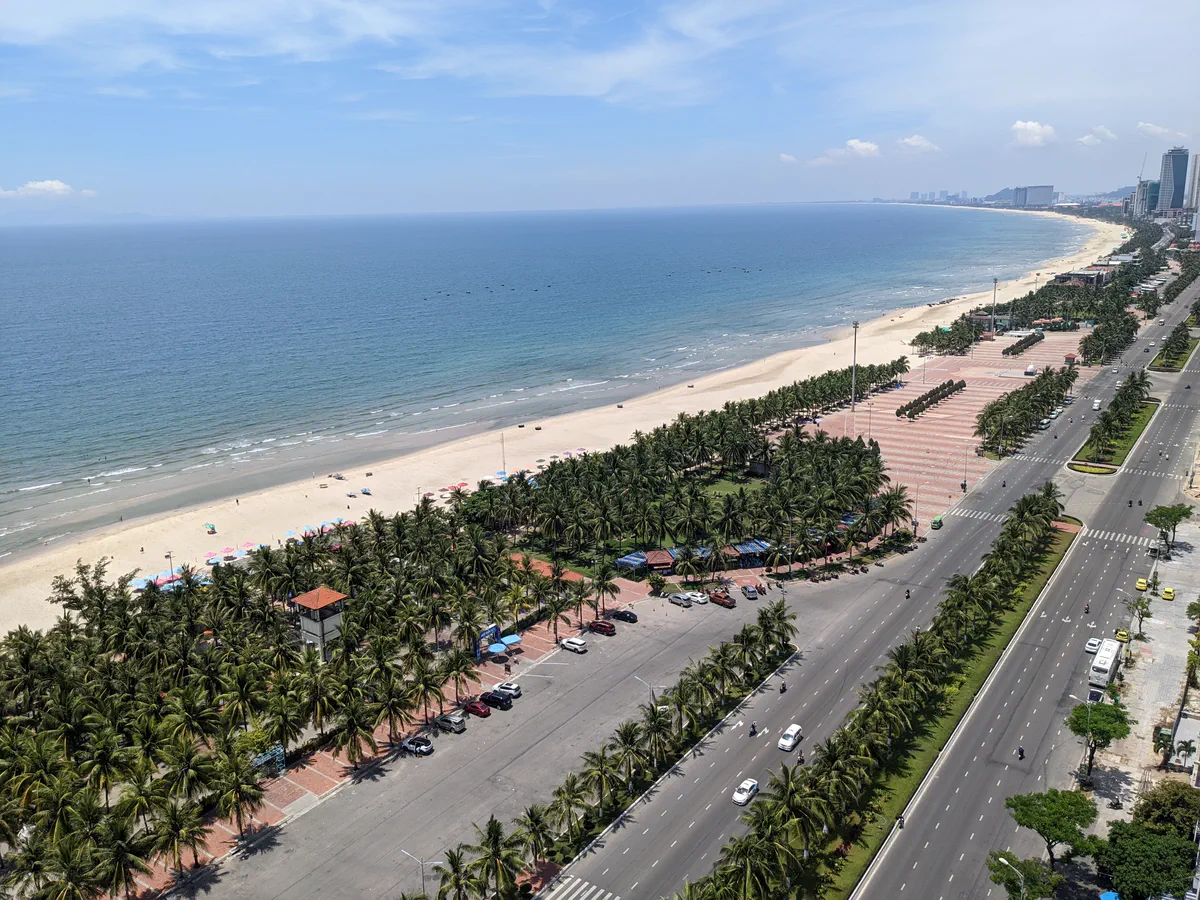
- Central (Hue, Hoi An, Da Nang): February to August is dry and increasingly hot, with June to August often above 35°C: ideal beach weather. The rainy season runs from about September to December, with the heaviest rain, storms and the risk of flooding in October and November.
- South (Ho Chi Minh City, the Mekong Delta, Phu Quoc): hot all year, around 30°C to 35°C. The dry season runs from about December to April. The rainy season, from about May to November, usually means a short, heavy afternoon downpour rather than rain all day.
- Typhoon season: typhoons and tropical storms can affect Vietnam from about June to November. The north is most exposed from about July to September, and the central coast from about September to November. The far south is rarely hit directly.
Vietnam weather month by month
A quick reference to match your dates to each part of Vietnam.
| Month | North (Hanoi, Halong Bay) | Central (Hue, Hoi An) | South (Saigon, Mekong, Phu Quoc) | Our verdict |
|---|---|---|---|---|
| January | Cool, grey, drizzly | Rain easing | Dry and sunny | Good: south best |
| February | Cool; mist on Halong Bay | Drying out | Dry and sunny | Good; Tet in 2027 |
| March | Warming; some mist | Dry, warm | Dry and hot | Excellent everywhere |
| April | Warm, mostly dry | Dry, warm | Hottest, dry | Excellent everywhere |
| May | Hot; rains begin | Dry and hot | Rains begin | Good: centre best |
| June | Hot and wet | Hot, dry, sunny | Afternoon showers | Good: central beaches |
| July | Hot and wet; storm risk | Hot, dry, sunny | Afternoon showers | Good: central beaches |
| August | Wettest; storm risk | Hot; first storms | Afternoon showers | Fair to good |
| September | Rain easing | Rains begin | Wet | Fair: north improving |
| October | Dry, clear, mild | Wettest; flood risk | Rain easing | Very good in the north |
| November | Dry, clear, mild | Wet; flood risk | Drying out | Very good north and south |
| December | Cool and dry | Wet early, easing | Dry and sunny | Good: north and south |
The single most useful thing to know: the central coast runs on a different calendar. It is at its best from February to August, just when the north is hot and wet, and at its wettest in October and November, just when the north is at its best.
Hanoi, Hoi An or Saigon? How the season plays out across Vietnam
The north: Hanoi, Halong Bay, Ninh Binh and Sapa
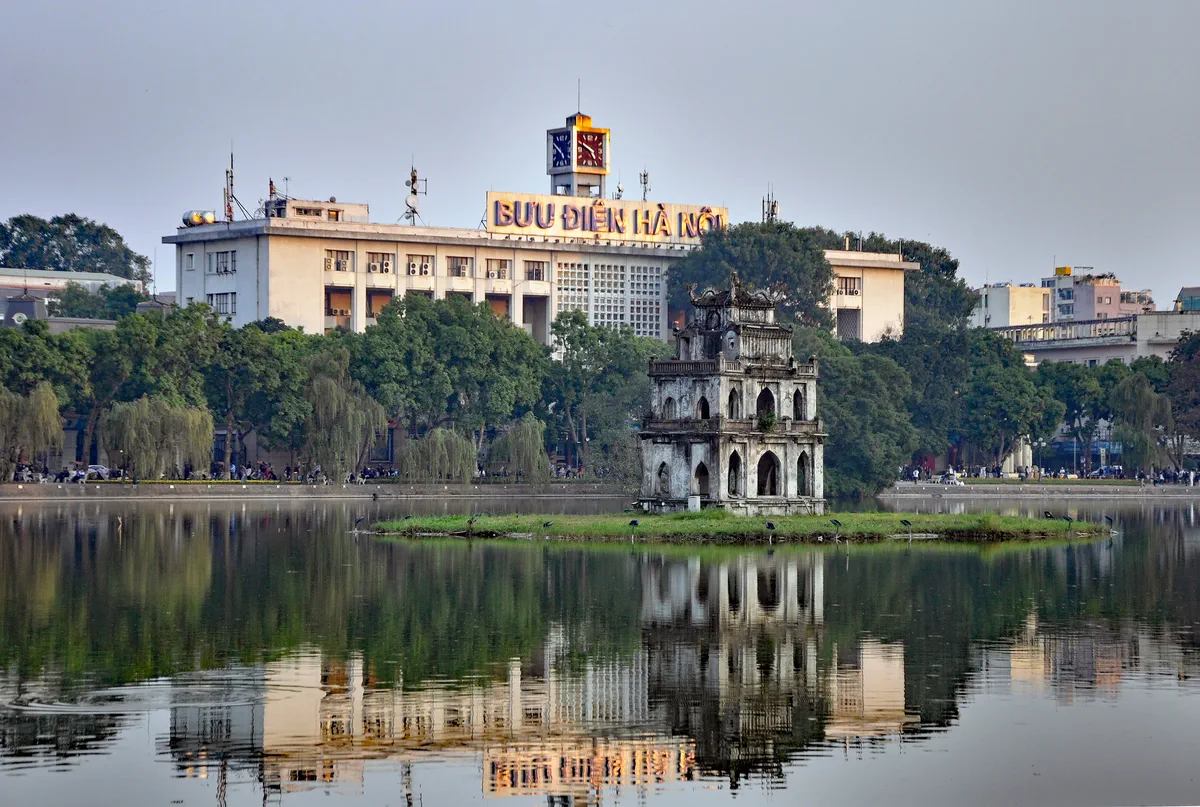
Hanoi, the capital, is best from October to April. Autumn, from late September to November, brings clear skies and pleasant days, ideal for exploring the Old Quarter on foot. Winter is cooler and often overcast, so pack a warm layer. From May to September the city is hot, humid and wet, though it is still very visitable with an early start and an afternoon rest.
Halong Bay, with its thousands of limestone islands, is usually seen on an overnight cruise. The best months are October, November, March and April, when the weather is settled and visibility is good. From about July to September, storms can cancel or shorten cruises at short notice, and from about January to March the bay is often wrapped in mist: atmospheric, but not ideal for photographs. We always build in a spare day near the start of a trip, so a cancelled cruise can be moved.
Ninh Binh, often called Halong Bay on land, is an easy trip from Hanoi, with boat rides between rice fields and karst cliffs. It is at its most beautiful in May and early June, when the rice is ripening.
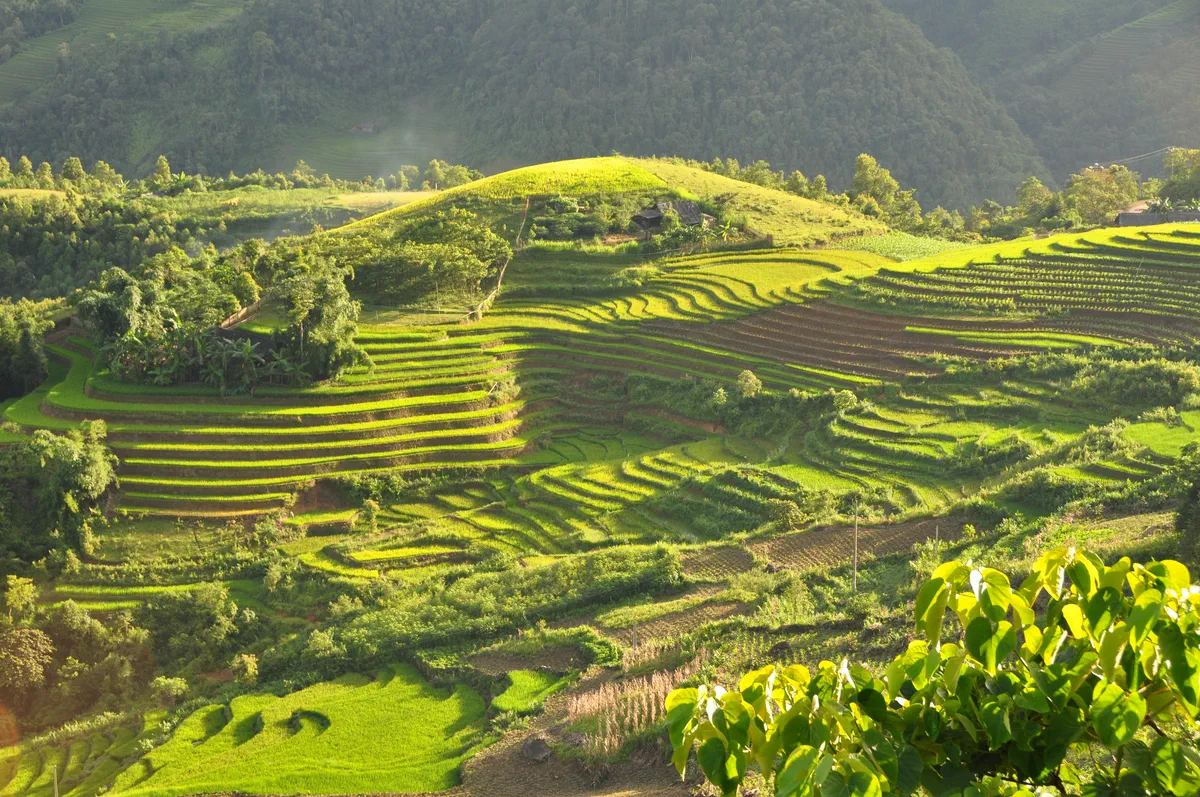
Sapa, in the far north-west, is a trekking base for the rice terraces and hill-tribe villages. The terraces turn golden from about mid-September to early October, just before the harvest, and October to November brings crisp, clear trekking weather. In May and June the newly flooded terraces reflect the sky. From December to February it is cold, sometimes close to freezing.
The centre: Hue, Hoi An and Da Nang
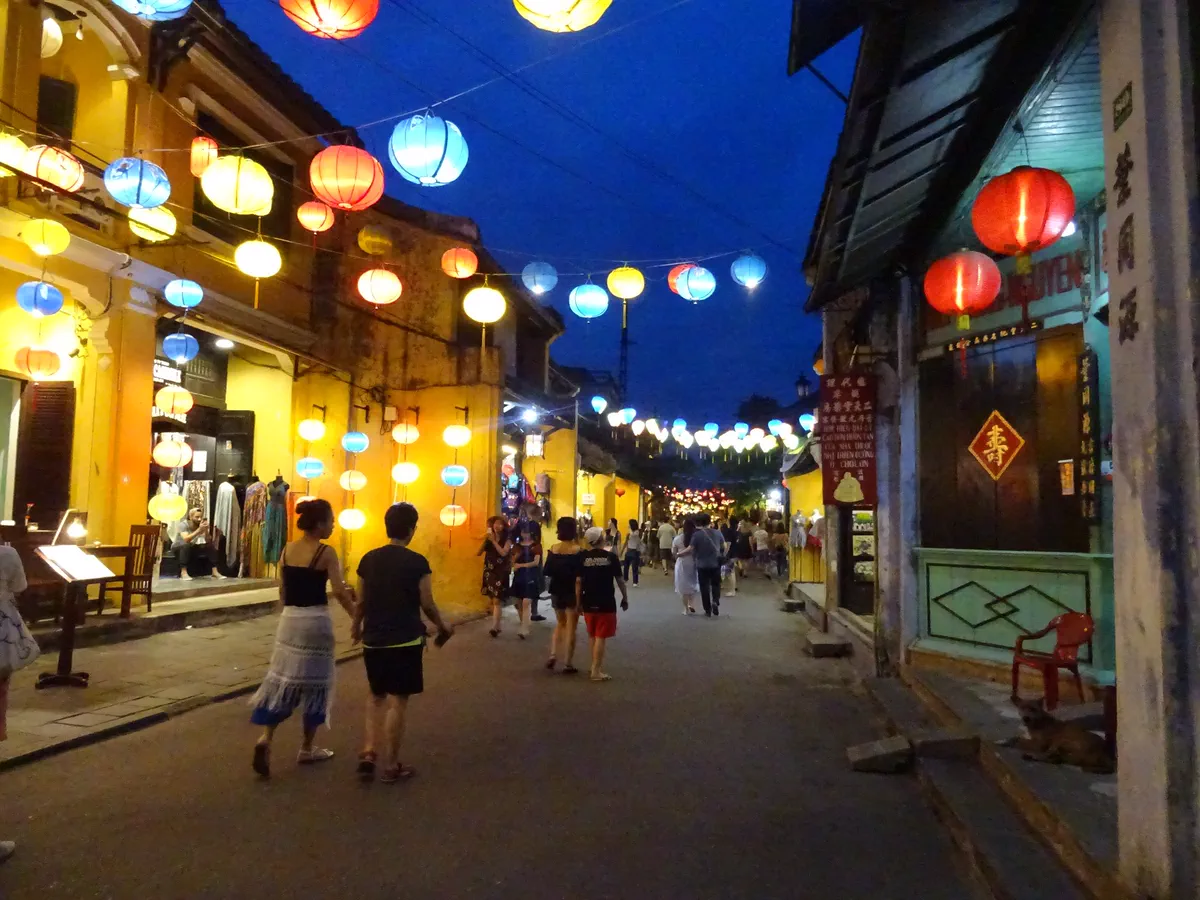
The central coast is home to the imperial city of Hue, the lantern-lit streets of Hoi An and the beaches of Da Nang. From February to May it is warm, dry and comfortable for sightseeing, and from June to August it becomes hot, sunny beach weather.
From about September to December, the north-east monsoon and passing storms bring heavy rain, and October and November are the wettest months. The riverside streets of Hoi An's Ancient Town can flood, and some boat trips and beach days are lost. If your dates fall then, we keep the central leg short and flexible.
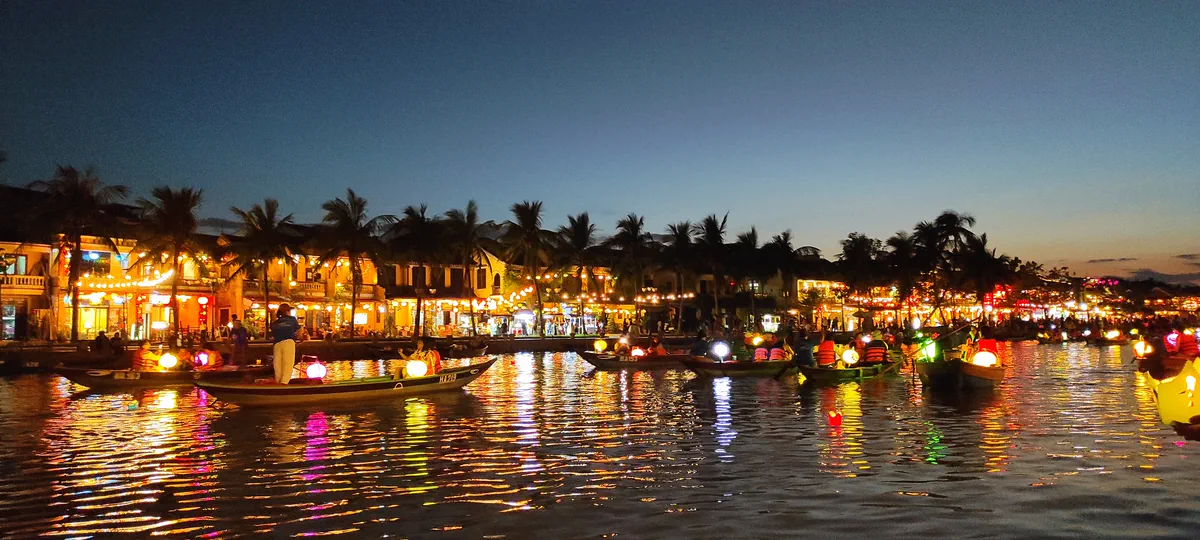
Hoi An's Ancient Town is at its most magical on the full-moon night of each lunar month, when electric lights are switched off and the streets glow with lanterns.
The south: Ho Chi Minh City, the Mekong Delta and Phu Quoc
Ho Chi Minh City, still called Saigon by most locals, is hot all year. The dry season from December to April is the most comfortable, with March and April the hottest months. In the rainy season, from May to November, the afternoon downpour usually passes within an hour or two.
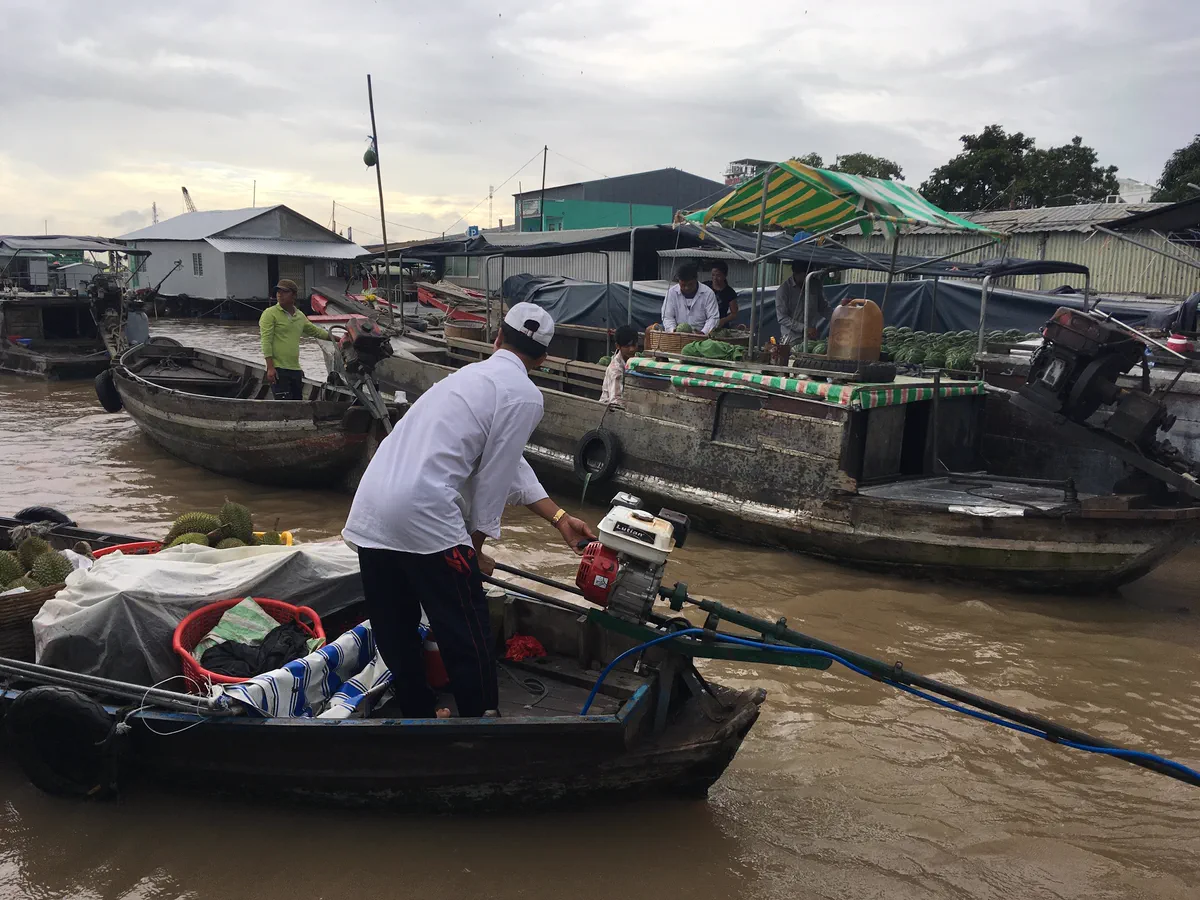
The Mekong Delta is a maze of rivers, canals, orchards and floating markets, and an easy day or overnight trip from the city. It is lush at any time of year; from about September to November high water can flood parts of the delta.
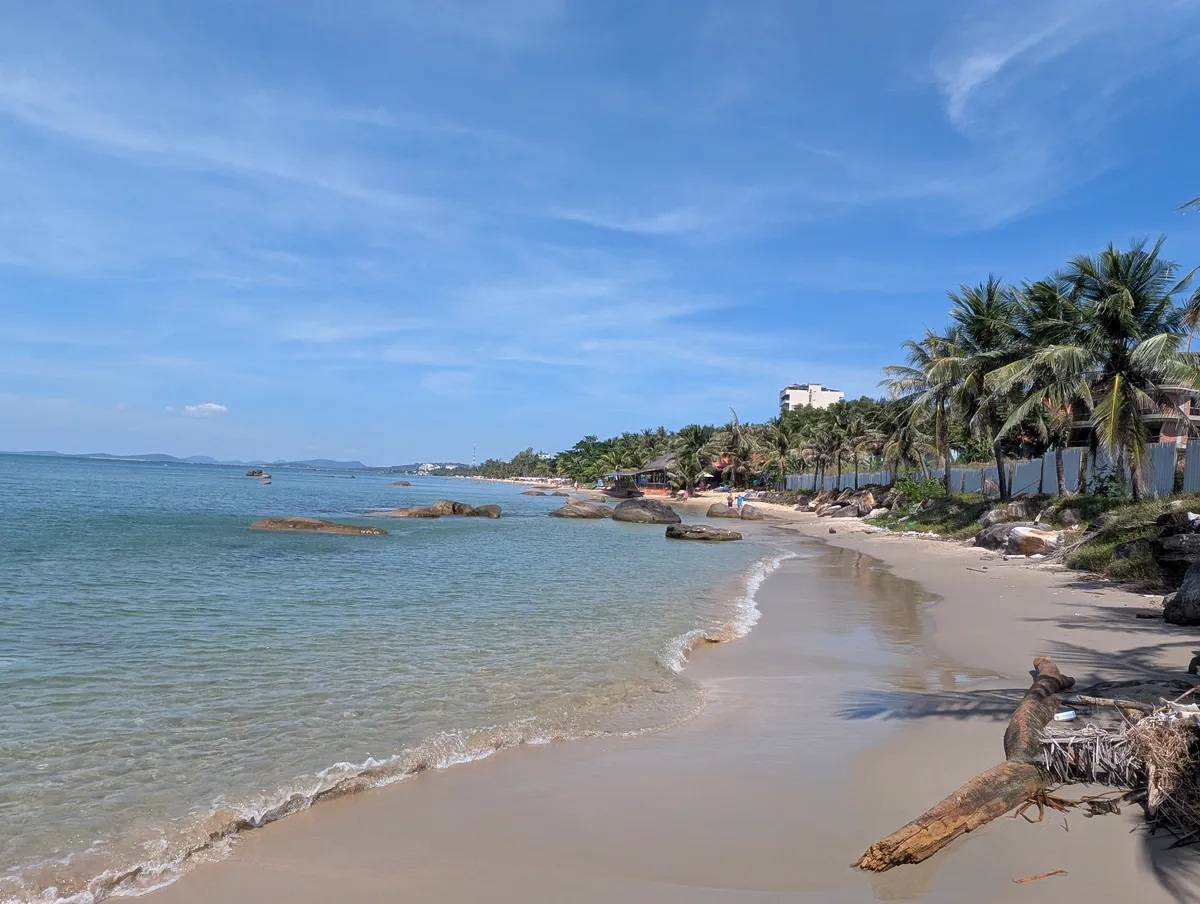
Phu Quoc, an island in the Gulf of Thailand, is Vietnam's most popular beach escape. It is at its best from about November to April, with calm seas, clear water and sunny days. From May to October the south-west monsoon brings more rain and rougher seas, especially on the west coast.
The best time to visit Vietnam for your kind of trip
Best overall weather: February to April
For a first trip that covers the whole country, these months are the safest choice. The north is mild and mostly dry, the central coast has just come out of its rainy season and the south is still in its dry season.
Best for a north-and-south trip: October to December
If you plan to skip or shorten the central coast, autumn is lovely in the north, and the south dries out from about November. Halong Bay and Sapa are at their clearest, and Phu Quoc's beach season begins in November.
Best for honeymooners: December to April in the south, or March to August on the central coast
For couples, a popular plan is a few nights in Hanoi, an overnight Halong Bay cruise, a few days in Hoi An and a beach resort to finish. From December to April, Phu Quoc is the classic beach finale. From March to August, the resorts on the beaches near Da Nang and Hoi An are a lovely alternative.

Best for festivals: Tet, Vietnam's Lunar New Year
Tet is Vietnam's biggest celebration. In 2027 it falls on 6 February, with festivities and public holidays across the week around it. Streets fill with peach blossom and flower markets, and it is a wonderful time to see Vietnamese family traditions. It is also the busiest week of the year for local travel: trains, flights and hotels sell out, and many shops and restaurants close for a few days. If you travel over Tet, book early and plan a slower pace.
Best for families: the autumn school holidays
The autumn school holidays (20 March to 5 April 2027) fall in the best weather window of the year, with good conditions from Hanoi to Ho Chi Minh City. The winter school holidays (26 June to 19 July 2027) suit the central coast, which is hot, dry and sunny, with calm seas for swimming.
The December holidays (from 12 December 2026) work well in the south and on Phu Quoc, with a cool, dry stop in Hanoi; the central coast can still be wet early in the month. The spring break (2 to 10 October 2027) suits the north, but avoid the central coast, which is at the start of its wettest stretch.
Best for value: May to September, outside school holidays
The rainy months in the north and south bring lower hotel rates and quieter sights, and Vietnam is good value for South Africans at any time of year. Many hotels price in Vietnamese dong or US dollars, so booking early protects you against the rand weakening. See what is on offer in our Deal Seeker, or ask us to price a tailor-made trip.
When to avoid, and why it still might be fine
October and November on the central coast bring the heaviest rain of the year, the greatest risk of flooding in Hoi An and the chance of a typhoon. The north and south are lovely at this time, so make them the focus of your trip.
July to September in the north is hot and wet, with the highest risk of storms cancelling Halong Bay cruises. The central coast is at its sunniest, so it is a good time for a beach-based holiday there.
Tet (6 February 2027) is not a time to avoid, but it is a time to plan carefully: book transport and hotels months ahead and expect some closures. Whenever you go, make sure your travel insurance is in place, with cover for delays caused by storms.
Combining Vietnam with other trips
Vietnam combines well with Cambodia, for the temples of Angkor Wat, and with Laos or Thailand. The weather lines up neatly from November to April, when Cambodia and much of Thailand are also dry. South Africans need a visa for Cambodia as well as Vietnam, and our visa assistance services can introduce you to a trusted visa partner.
Still choosing between destinations in Asia? Our guides to the best time to visit Thailand and the best time to visit Bali help you compare.

Planning your Vietnam holiday from South Africa
A few practical notes so nothing catches you out:
- Visa. South Africans need a visa for Vietnam. The e-visa costs US$25 for a single entry or US$50 for multiple entries and allows a stay of up to 90 days. Apply online at least a week before you travel, and use only the official government portal: copycat sites charge much more. Your passport should be valid for at least six months. Rules change, so check our visa and entry information page, or ask our visa assistance services to help.
- Getting there. There are no direct flights from South Africa to Vietnam. The quickest routings usually connect via Singapore, with a total journey of roughly 14 to 17 hours from Johannesburg to Ho Chi Minh City, Hanoi or Da Nang. Doha, Dubai, Hong Kong and Bangkok are other options. Flying into Hanoi and home from Ho Chi Minh City, or the other way round, saves you from backtracking. Vietnam is five hours ahead of South Africa.
- Getting around. Domestic flights link Hanoi, Hue, Da Nang and Ho Chi Minh City in one to two hours. The overnight trains are slower but an experience in themselves.
- Health. A yellow fever certificate is needed if you arrive from, or transit through, a country with a risk of yellow fever. Flying via Singapore or the Gulf avoids this; Ethiopia and Kenya are yellow fever countries, so check the rules for Vietnam and for your return to South Africa before you book a routing through Addis Ababa or Nairobi. The main tourist areas carry little or no malaria risk, but dengue fever is present, so use repellent during the day and at dusk. Speak to a travel clinic before you go.
- Motorbikes. Riding a scooter without the right licence is illegal, and most insurance policies will not cover an accident. Our travel checklist for South Africans covers the International Driving Permit and other documents.
- Respect and etiquette. Cover your shoulders and knees at temples, pagodas and the Ho Chi Minh Mausoleum, and take your shoes off where asked.
- Travel insurance. Comprehensive cover, including medical treatment, evacuation and weather delays, is essential. Arrange travel insurance before you go.
- Money. The local currency is the Vietnamese dong. Cards are accepted in most hotels and larger restaurants; carry cash for markets, street food, taxis and tips.
For the most current official information, the Vietnam e-visa portal and the official tourism site, Vietnam Travel, are the sources we point travellers to.
Frequently asked questions
What is the best month to visit Vietnam?
March is our favourite all-rounder: dry, warm and comfortable from Hanoi to Ho Chi Minh City, with the central coast past its rainy season. April is just as good, though the south is at its hottest.
When is the rainy season in Vietnam?
It depends on the region. In the north and the south, the rainy season runs from about May to October or November. On the central coast around Hoi An and Hue, the heaviest rain falls from about September to December, peaking in October and November.
When is the best time to visit Halong Bay?
October, November, March and April usually bring the best mix of settled weather and clear views. From about July to September, storms can cancel cruises, and from about January to March the bay is often misty.
Do South Africans need a visa for Vietnam?
Yes. South Africans need a visa, and the easiest option is the e-visa, applied for online on the official government portal. It costs US$25 for a single entry or US$50 for multiple entries and allows a stay of up to 90 days.
When is Tet in Vietnam?
Tet, the Vietnamese Lunar New Year, falls on 6 February 2027. Celebrations and public holidays last for several days around it, transport and hotels book up early, and some shops and restaurants close.
How many days do you need in Vietnam?
Twelve to sixteen nights is ideal from South Africa for a north-to-south trip: a few nights in Hanoi, an overnight Halong Bay cruise, three or four nights in Hoi An, two or three in Ho Chi Minh City and the Mekong Delta, and a few beach days to finish.
How long is the flight from South Africa to Vietnam?
There are no direct flights. Connecting via Singapore, the total journey from Johannesburg usually takes around 14 to 17 hours. Routings via the Gulf or Hong Kong often take longer.
Final recommendations
If you want the simplest answer: go in February to April for the best weather across the whole country, visit the north from October to April, the central coast from February to August and the south from December to April. Avoid the central coast in October and November, and plan around Tet if your dates are in early February.
Vietnam rewards a trip that is carefully put together: the right regions for the month, smooth connections from north to south and a Halong Bay cruise with a day to spare. That is the kind of planning we enjoy. Tell us your dates and what you have in mind, and we will shape a tailor-made Vietnam holiday around them. No obligation, and a personal reply from our team. You can also browse current holiday deals in our Deal Seeker while you decide.
Planning a Vietnam trip?
Traville Travel arranges Vietnam holidays personally, from flights to the finer details. Tell us what you have in mind and we will build a tailor-made quote, no obligation.


