
What is the best time for a Garden Route and Winelands tour?
The best time for a Garden Route and Winelands tour is spring and autumn: September to November, and March to May. These months bring mild, settled days for the drive along the coast, quieter roads than the summer holidays, and the Winelands at their prettiest, with new green leaves in spring and the harvest and autumn colours from late summer.
The Western Cape is easy to visit in any month, though. The Winelands follow Cape Town's pattern of dry summers and wet winters, while the Garden Route has a mild climate with rain spread through the year. This guide shows you how the seasons work on each part of the trip, how to plan the route from Cape Town, and how to see the city itself on the Red Bus before or after the drive. For our favourite South African regions and lodges, start with our safaris and South Africa holidays page.
Our honest pick: late September to November for whales, flowers and green vineyards, or March to April for the harvest, warm sea and calm, golden days.
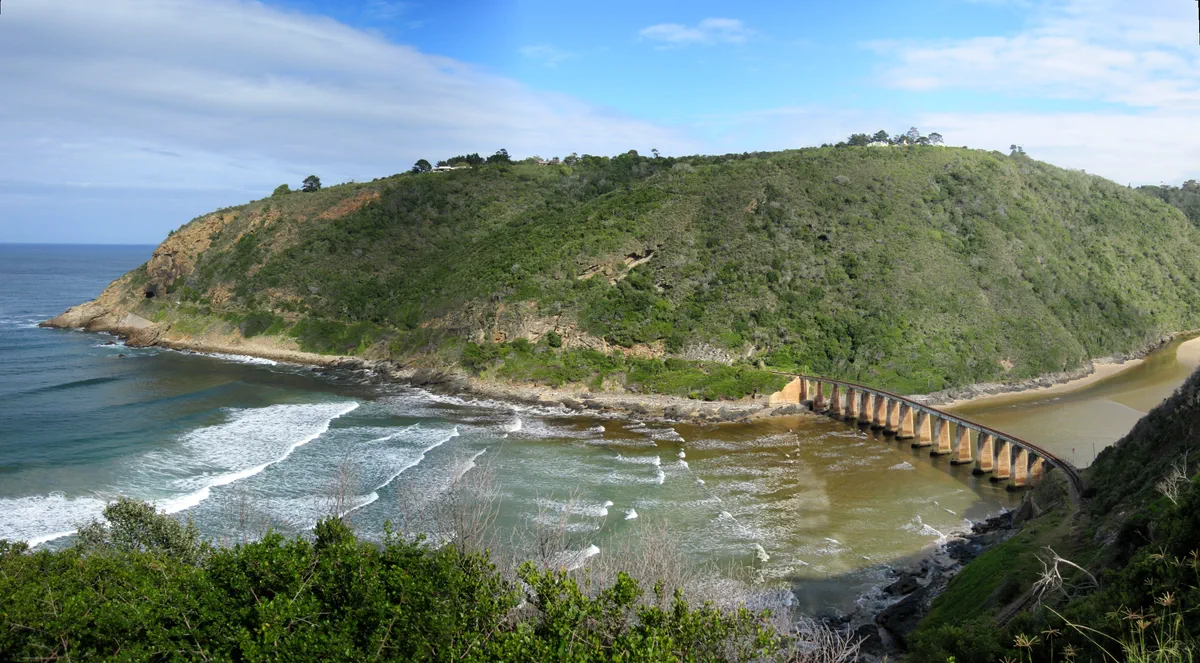
The Garden Route and the Winelands: seasons at a glance
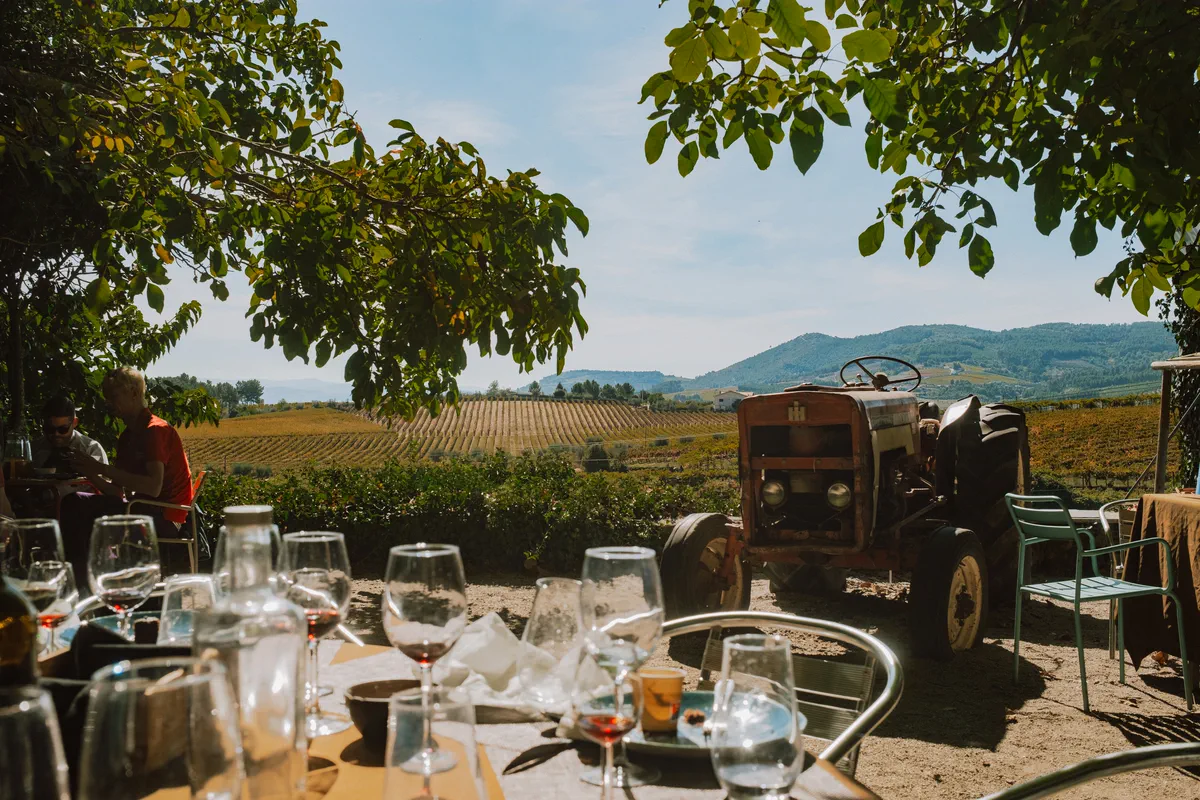
- The Cape Winelands (Mediterranean climate): summer, from November to March, is hot and dry in the valleys, often above 30°C in Stellenbosch, Franschhoek and Paarl, which sit inland of Cape Town's sea breeze. Winter, from May to August, is cool and wet, with snow on the higher peaks after a cold front, cosy fires in the tasting rooms and the lowest prices of the year. Harvest runs from about February to March, sometimes into April.
- The Garden Route (mild, year-round rain): the coast from Mossel Bay through George, Wilderness, Knysna and Plettenberg Bay to the Tsitsikamma is one of the few places in South Africa where rain falls in every season, usually in short spells rather than long wet weeks. That is why the forests stay so green. Summer days are warm, about 25°C, and winter days are mild, often around 18°C to 20°C, with cool nights.
- Whales and dolphins: southern right whales visit the bays from about June to November. Dolphins are in Plettenberg Bay all year.
Garden Route and Winelands weather month by month
A quick reference to match your dates to both parts of the trip.
| Month | Cape Winelands | Garden Route | Highlights | Our verdict |
|---|---|---|---|---|
| January | Hot, dry | Warm; busy beaches | Summer holidays; warm sea | Good; book very early |
| February | Hot, dry | Warm, settled | Harvest begins | Very good |
| March | Warm; harvest | Warm, calmer | Harvest; quieter roads | Excellent |
| April | Mild, autumn colour | Mild, pleasant | Autumn vines; Easter | Excellent |
| May | Cool; first rains | Mild, quiet | Low prices | Very good: value |
| June | Cold, wet | Cool, quiet | Whales arrive; fires and red wine | Good: value |
| July | Cold, wet | Cool, quiet | Knysna Oyster Festival | Good: value |
| August | Wet; first blossom | Cool; whales | Spring flowers begin | Good |
| September | Mild; new leaves | Mild; whales | Whales at their best | Excellent |
| October | Warm, mostly dry | Mild to warm | Whales; green vineyards | Excellent |
| November | Warm, dry | Warm | Long days; before the rush | Excellent |
| December | Hot, dry, busy | Warm, very busy | Festive season | Good; book very early |
The single most useful thing to know: the Winelands are dry in summer and wet in winter, while the Garden Route can have a shower in any month. Plan a spare half-day on the coast and you will rarely miss anything.
How to plan the Garden Route and Winelands from Cape Town
The classic route
Most travellers start in Cape Town, spend a few nights in the Winelands, then drive east along the N2 to the Garden Route. Plettenberg Bay is about 500 km and six hours of driving from Cape Town without stops, so we always break the journey. A typical seven to ten night route looks like this:
- Cape Town, two or three nights. Table Mountain, the V&A Waterfront, Cape Point and Boulders Beach.
- Franschhoek or Stellenbosch, two nights. About an hour from Cape Town.
- Wilderness or Knysna, two or three nights. About five hours from the Winelands, with a stop in Swellendam or Mossel Bay on the way.
- Plettenberg Bay, two nights. About half an hour beyond Knysna, with the Tsitsikamma and Nature's Valley close by.
From Plettenberg Bay, you can drive back to Cape Town in a day, return the car and fly home from George, about an hour's flight from Cape Town or two hours from Johannesburg, or carry on to a malaria-free safari in the Eastern Cape near Gqeberha. See where each area lies on our map of South African regions.
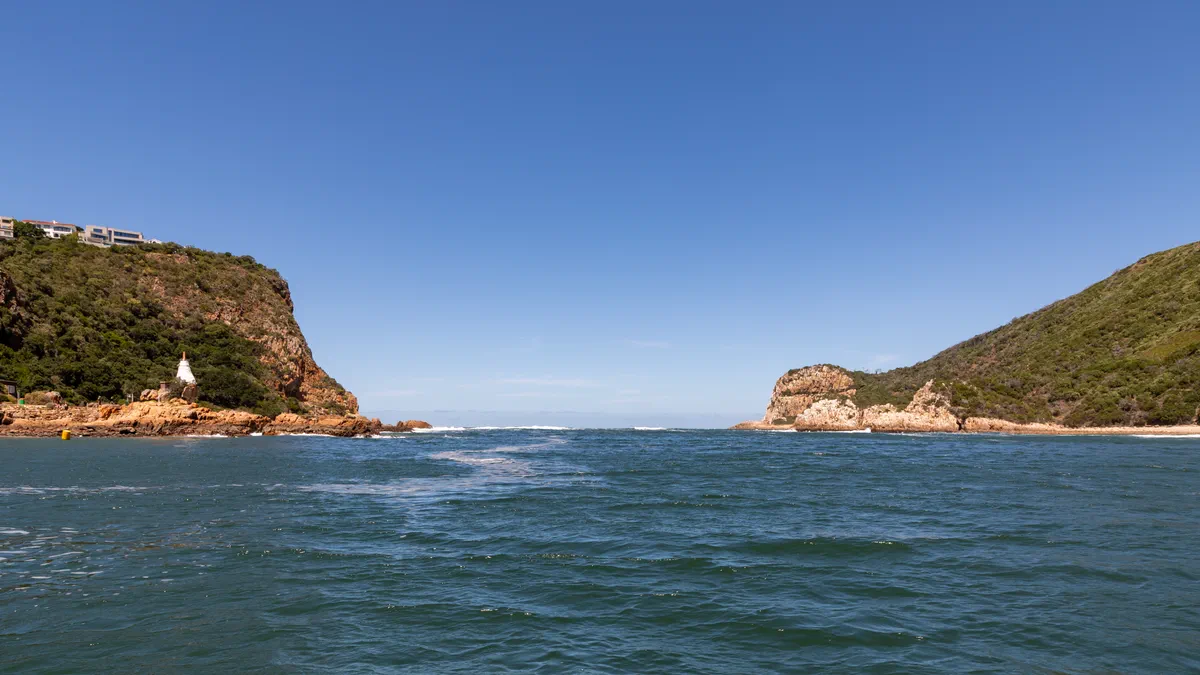
Coming home the scenic way: Route 62
Instead of driving back along the N2, many travellers return through the Little Karoo on Route 62: over the Outeniqua Pass to Oudtshoorn, the Cango Caves and the ostrich farms, then through Calitzdorp, Barrydale and Montagu to the Breede River valley. It is a slower, drier and completely different landscape, and a good way to finish a trip in the warmer months.
How to tour the Winelands
There are three easy ways to taste in the Winelands without anyone having to drive:
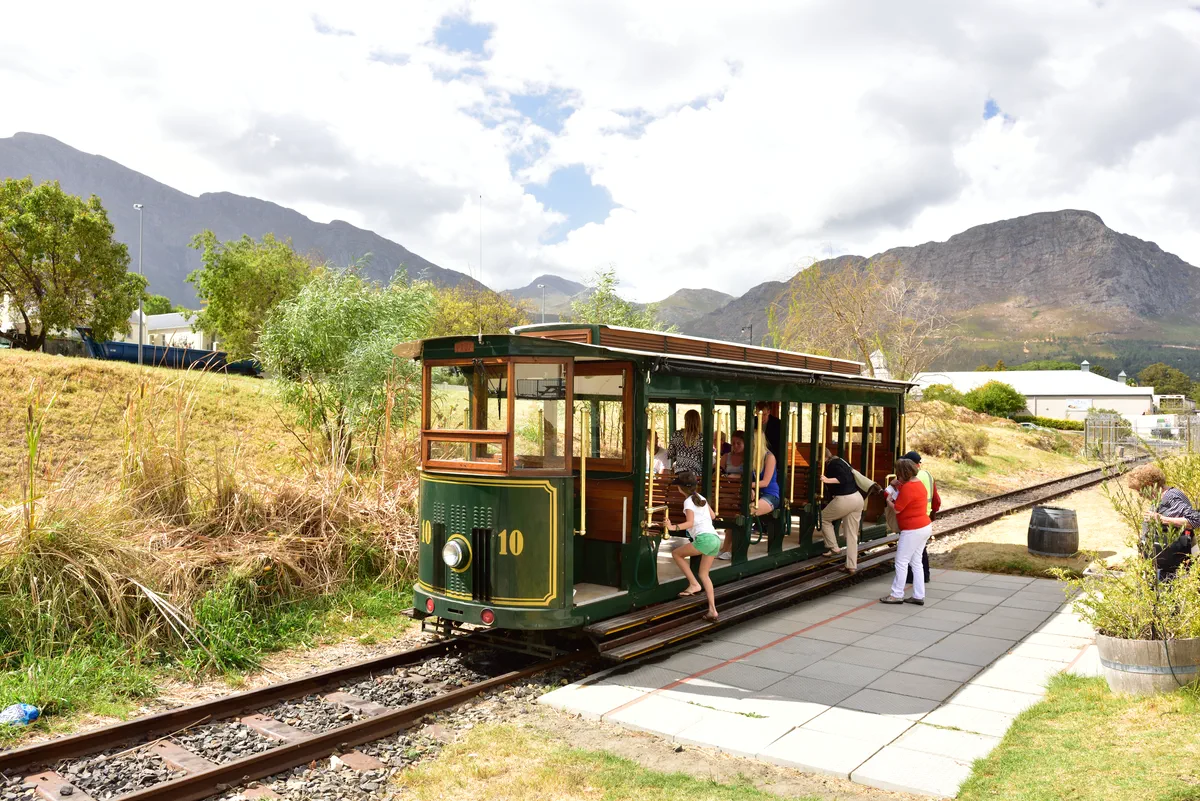
- The Franschhoek Wine Tram. A hop-on, hop-off tram and tram-bus that runs between wine estates in the Franschhoek valley. Each line visits a set of estates, and it is the most relaxed way to spend a day tasting.
- A guided wine tour. A private guide and driver collects you in Cape Town or the Winelands and plans the day around the styles you like, from Stellenbosch reds to Franschhoek bubbly and the estates around Paarl. This is our pick for couples and small groups.
- Constantia, inside Cape Town. If you only have one day, the historic estates of the Constantia Valley are about twenty minutes from the city, and the Red Bus can take you there (more below).
Many estates also offer cellar tours, food pairings and lunch among the vines. Book weekend lunches and harvest events ahead, especially from December to April.
Seeing Cape Town on the Red Bus
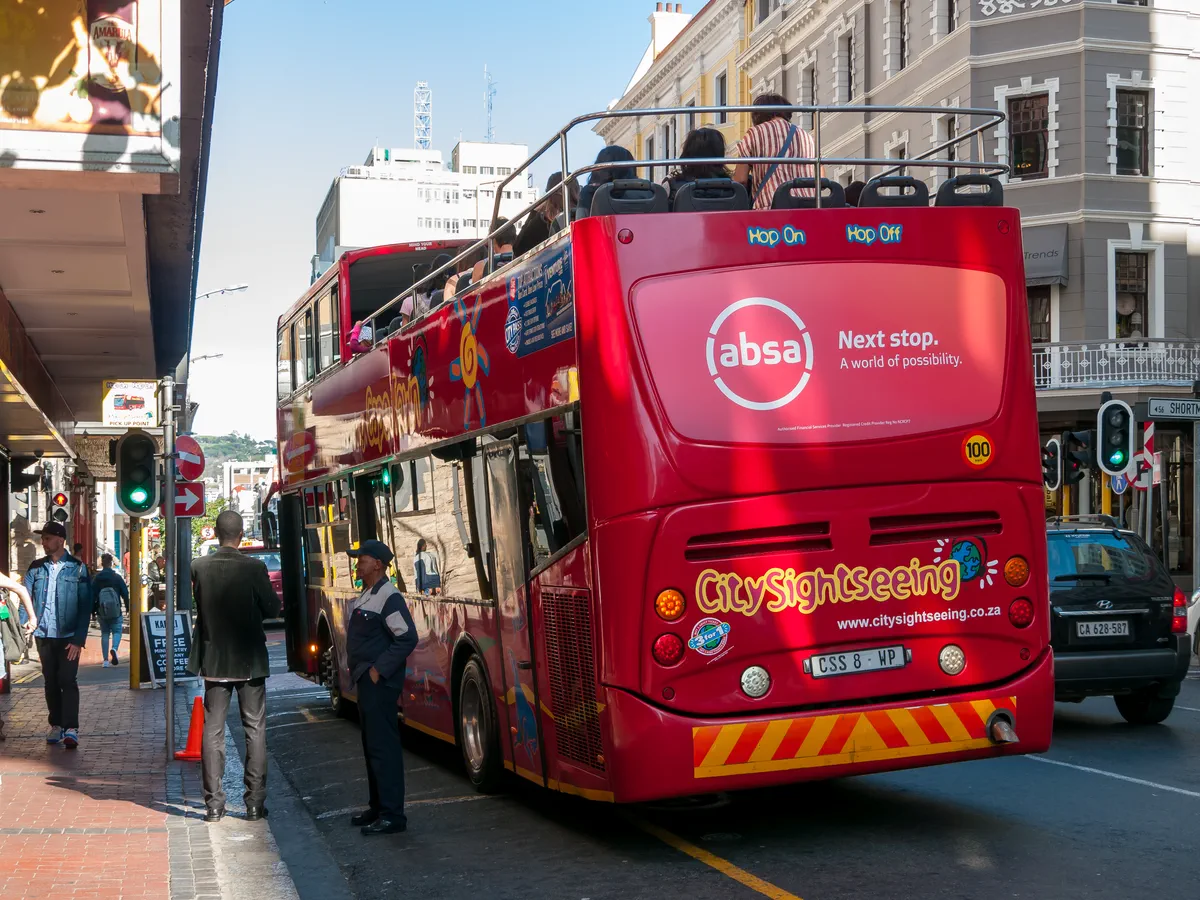
Before or after the drive, the Red Bus, run by City Sightseeing Cape Town, is one of the easiest ways to see the city itself. The open-top buses run hop-on, hop-off loops from the V&A Waterfront and Long Street:
- The Red City Tour, about 90 minutes, passes the city centre and stops at the Table Mountain lower cableway station.
- The Blue Mini Peninsula Tour, a little over two hours, runs through Camps Bay and Hout Bay and stops at Kirstenbosch National Botanical Garden.
- The Yellow Downtown Tour, about 30 minutes, covers the Castle of Good Hope and the District Six Museum.
- The Purple Constantia wine route joins the Blue route at Constantia Nek and stops at wine estates such as Groot Constantia. It is a fun way to fit a tasting into a city day.
A one-day ticket is enough for the city loops; allow a full day if you want to add the Constantia wine stops. Routes and times change between summer and winter, so we check the current timetable when we plan your days. Our tip: ride the Red Bus on your first day in Cape Town to get your bearings, then use your car for the Winelands and the coast.
The best time for a Garden Route and Winelands tour, for your kind of trip
Best for whales and wildflowers: August to October
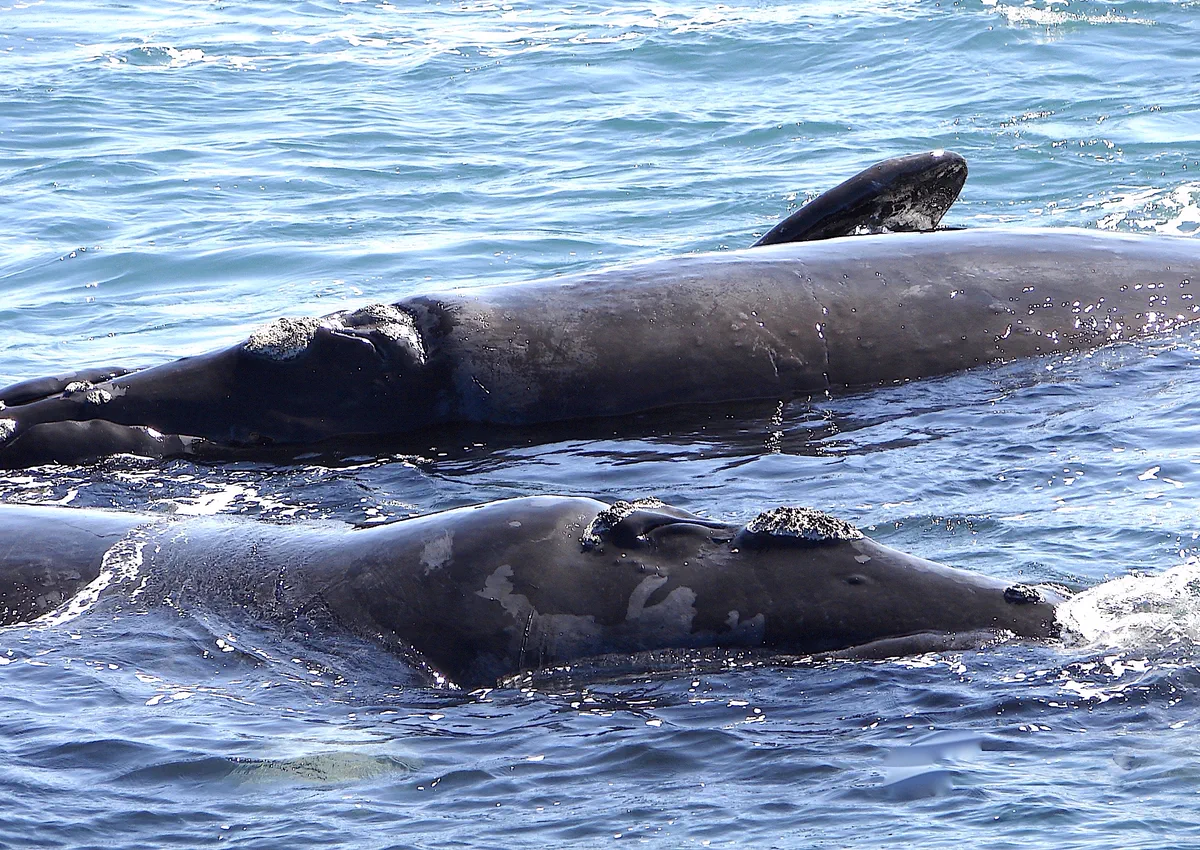
Southern right whales come close to the shore from about June to November, with September and October usually the best months. Hermanus, about an hour and a half from Cape Town, has some of the best land-based whale watching in the world, and is an easy detour on the way to the Garden Route. In Plettenberg Bay, boat-based marine tours can show you whales in season and dolphins all year. Spring is also wildflower season on the West Coast.
Best for wine lovers: February to April
Harvest is the busiest and most exciting time on the wine farms, usually from about February to March. Some estates open their cellars for harvest days, the vineyards turn gold and red in April, and the summer heat is easing. Book estate lunches early.
Best for families: the autumn and spring school holidays
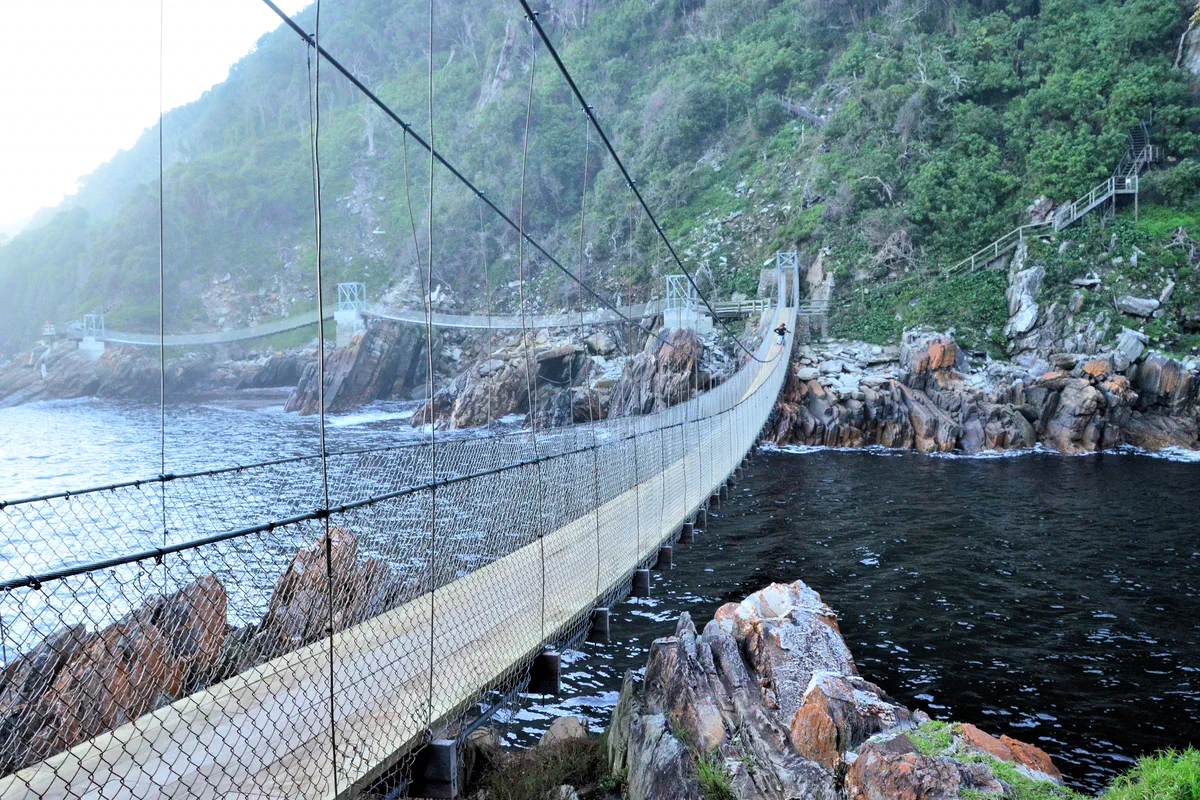
The autumn school holidays (20 March to 5 April 2027) and the spring break (2 to 10 October 2027) are ideal: warm enough for the beach at Plettenberg Bay, without the crowds and prices of December. The Garden Route is excellent for families, with the Tsitsikamma suspension bridge, canoeing in Wilderness, the elephant and monkey sanctuaries near Plett and safe beaches.
The December holidays (from 12 December 2026) bring the warmest sea and the most going on, but the coast is at its busiest, so book accommodation and car hire months ahead. The winter school holidays (26 June to 19 July 2027) are quieter and better value, and the Knysna Oyster Festival, usually held in early July, is a fun extra.
Best for couples: March to May, and September to November
For couples, the shoulder months are hard to beat: long lunches in Franschhoek, a few nights in a forest lodge or on the Knysna lagoon, and sundowners over the sea in Plettenberg Bay. The roads are quieter and the weather is warm enough for evenings outside.
Best for hiking and the outdoors: March to May, and September to November
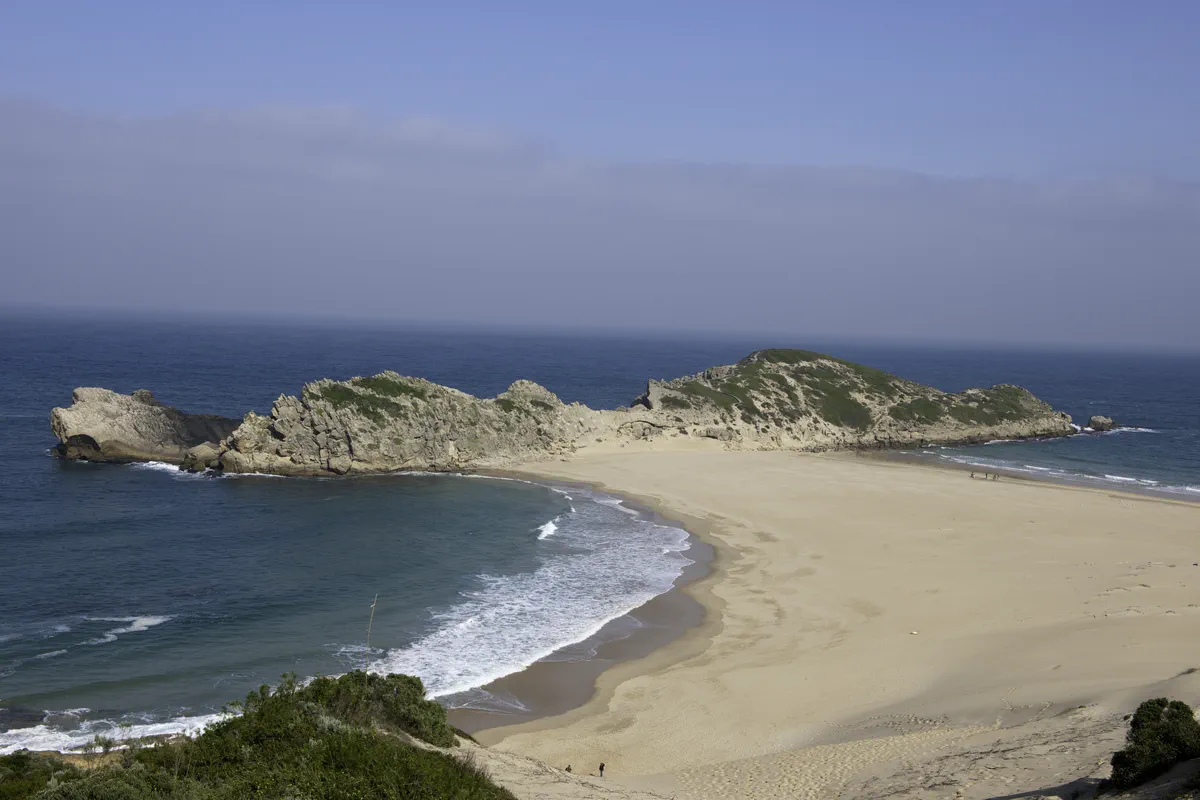
The Garden Route is one of South Africa's great outdoor regions: the Otter Trail in the Tsitsikamma, the Robberg Nature Reserve walk in Plettenberg Bay, forest trails around Knysna and paddling in Wilderness. Mild spring and autumn days are the most comfortable for walking. The Otter Trail books out far in advance, so plan well ahead.
Best for value: May to August
Winter is the quietest time in the Winelands and on the coast, with the best rates at many hotels and guesthouses. The Winelands are at their cosiest, with fires, red wine and slow lunches, and the Garden Route is often mild and sunny between cold fronts. Ask us for current specials, or browse the latest offers in our Deal Seeker.
When to avoid, and why it still might be fine
Mid-December to mid-January is the busiest and most expensive time on the Garden Route, when many South African families head for the coast. Roads, restaurants and beaches are full. The weather is lovely, though, so if these are your dates, book early and choose quieter spots, such as Nature's Valley or a lodge outside town.
June to August brings cold fronts to the Winelands, and some wet days on the coast. But it is also the best value of the year, the whales are arriving, and a rainy afternoon in a Franschhoek tasting room is no hardship.
Long weekends and Easter fill the most popular towns quickly. Whenever you go, make sure your travel insurance is in place, including cover for car hire excess.
Planning your Garden Route and Winelands holiday
A few practical notes so nothing catches you out:
- Car hire. A self-drive is the easiest way to do this trip. Book early for December and Easter. Consider a one-way hire if you fly home from George or Gqeberha; a one-way fee usually applies.
- Drink driving. If you plan to taste, use the Wine Tram, a guided tour or a driver. South Africa's legal limit is low, and roadblocks are common in the Winelands.
- Driving times. Distances look short on the map, but allow extra time for passes, roadworks and photo stops. Avoid driving long stretches after dark.
- Park fees. The Garden Route National Park, which includes the Tsitsikamma, Knysna and Wilderness sections, charges a daily conservation fee, with lower rates for South African residents. A SANParks Wild Card can save money if you visit often.
- Packing. Bring layers all year (the coast can be cool in the evenings even in summer), a rain jacket, sunscreen and comfortable walking shoes.
- Health. There is no malaria anywhere on the Garden Route or in the Winelands, and no special vaccinations are needed.
- Visitors from abroad. If friends or family are joining you from overseas, they can check their entry requirements on our visa and entry information page, or ask about our visa assistance services.
- Checklist. Our travel checklist for South Africans covers documents, money and packing for any trip.
For the most current park information, SANParks is the official source we point travellers to.
Frequently asked questions
What is the best month for the Garden Route?
September to November and March to April are the best months for the Garden Route. The days are mild and mostly settled, the whales are in the bays in spring, and the roads are much quieter than in December and January.
When is harvest season in the Cape Winelands?
Harvest usually runs from about February to March, sometimes into April, depending on the grape and the year. It is a lively time to visit, and some estates hold harvest days and events.
How long does it take to drive from Cape Town to Plettenberg Bay?
Plettenberg Bay is about 500 km from Cape Town along the N2, which takes about six hours of driving without stops. Most travellers break the journey with a night in the Winelands, Swellendam or Wilderness.
How many days do you need for the Garden Route and the Winelands?
Seven to ten nights is ideal: two or three nights in Cape Town, two in the Winelands, and four or five on the Garden Route. Add a few nights if you would like to include a malaria-free safari in the Eastern Cape.
Does it rain on the Garden Route in winter?
Rain can fall on the Garden Route in any season, usually in short spells, which is why the region stays so green. Winter days are often mild and clear between cold fronts, making it a good value time to visit.
Is the Red Bus in Cape Town worth it?
Yes, especially on your first day. The City Sightseeing Red Bus stops at the Table Mountain cableway, Kirstenbosch, Camps Bay and the V&A Waterfront, and its Purple route connects to wine estates in Constantia. It is an easy way to see the city without a car.
Can you combine the Garden Route with a safari?
Yes. The private reserves of the Eastern Cape, near Gqeberha, are malaria-free and a natural end point for a Garden Route drive. You can also fly from Cape Town to the Kruger for a Big Five safari.
Final recommendations
If you want the simplest answer: tour the Garden Route and the Winelands in September to November, or in March to April. Choose February to April if the wine is the priority, September and October for whales, and May to August for the best value. Book December, Easter and the school holidays as early as you can.
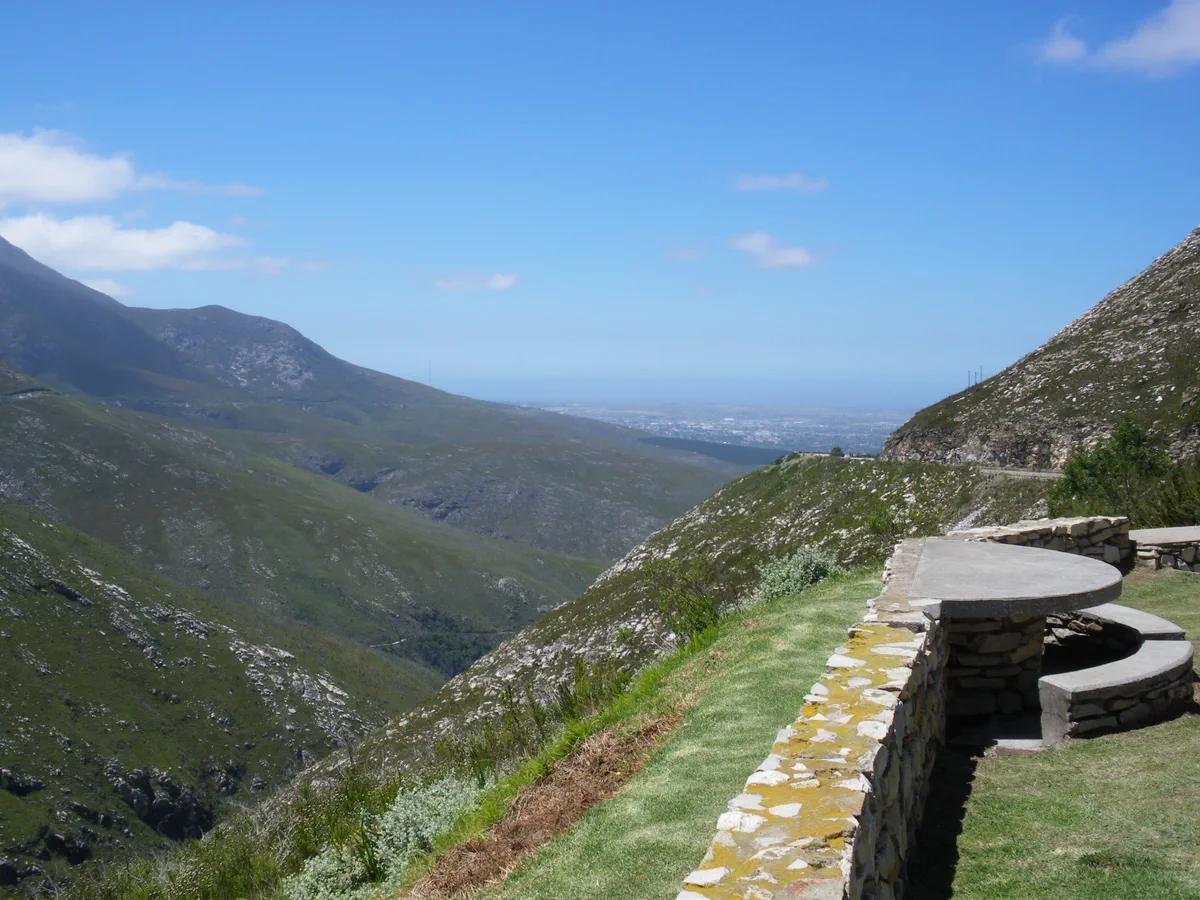
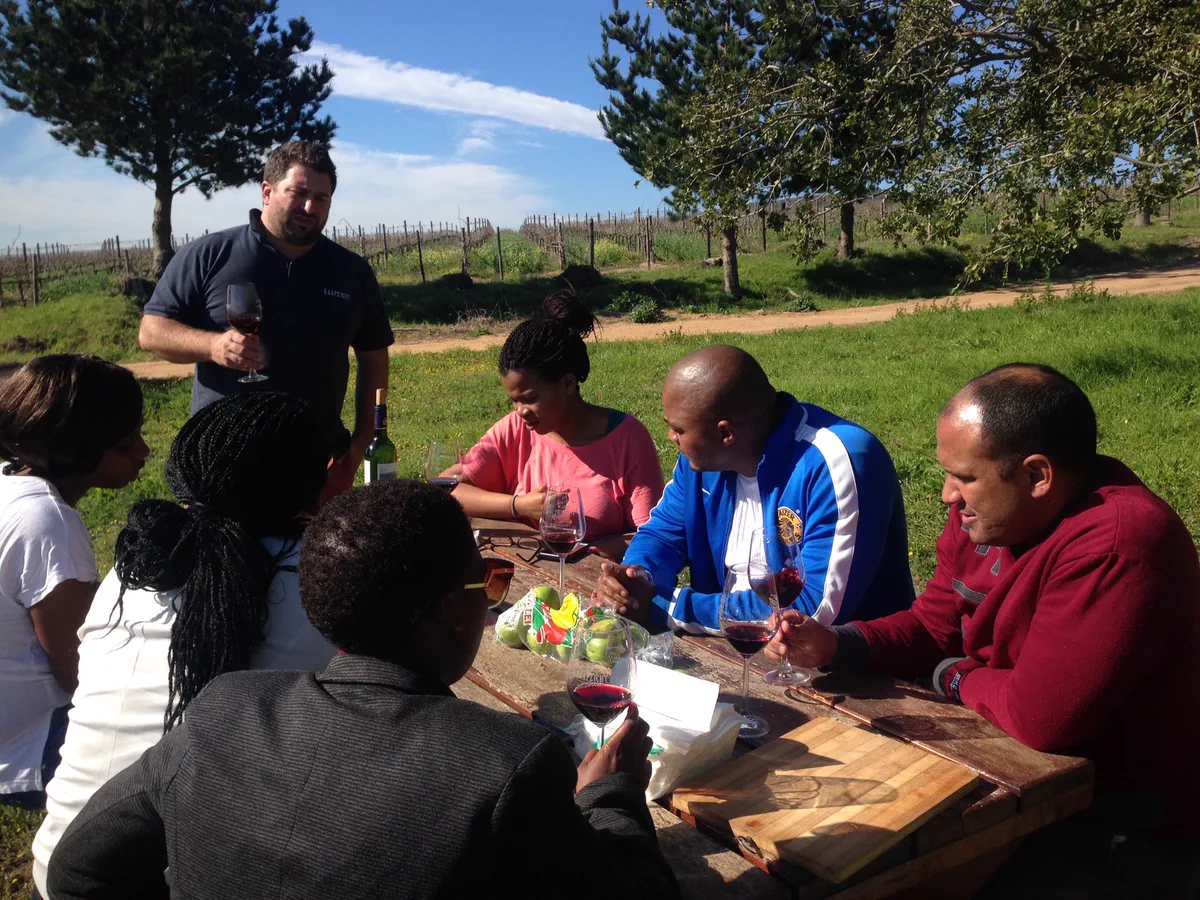
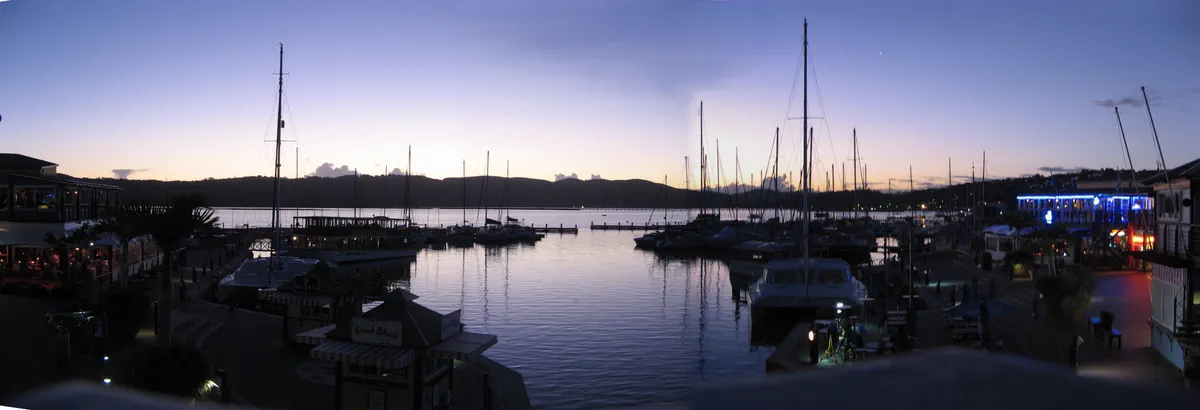
A Garden Route and Winelands holiday rewards careful planning: the right months for what you want to do, the right towns to break the drive, and hotels and wine estates that suit how you like to travel. That is the kind of planning we enjoy. Tell us your dates and what you have in mind, and we will shape a tailor-made South Africa holiday around them. No obligation, and a personal reply from our team. If you would like a few days in the bush too, our guide to combining Cape Town and a bushveld safari shows how the seasons fit together, and you can browse current holiday deals in our Deal Seeker.
Planning a South Africa trip?
Traville Travel arranges South Africa holidays personally, from flights to the finer details. Tell us what you have in mind and we will build a tailor-made quote, no obligation.
